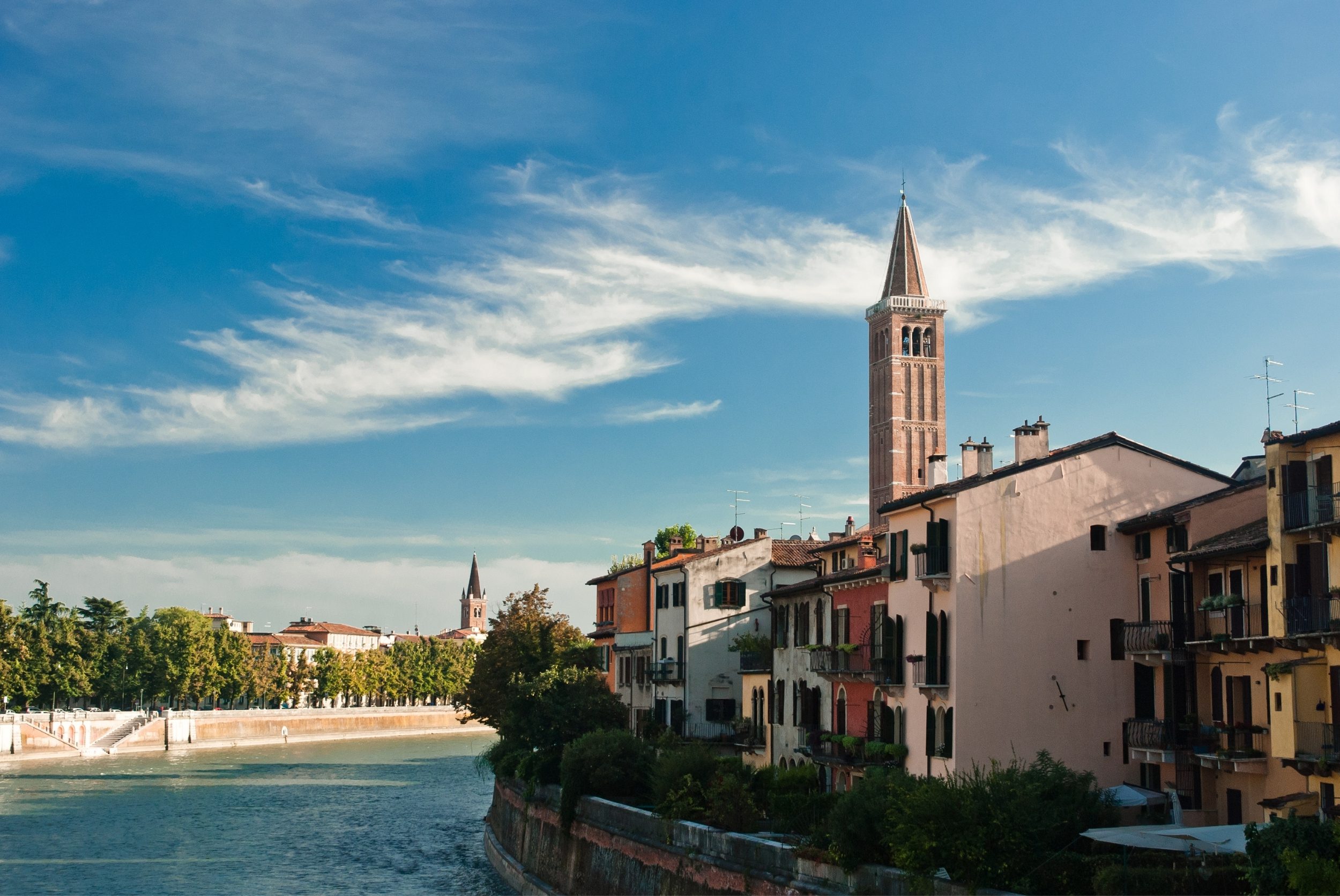

There are cities that do not allow themselves to be crossed in a hurry, even when time is short. Verona has a way all of its own to slow down those who arrive, compelling them to look up and pause a second longer than planned. A single day seems like a difficult promise to keep, yet it can become a complete story if one agrees to follow the rhythm of its stones.
Every street carries layers of centuries, every square is a natural theatre where life continues to flow. Verona does not ask to be conquered; it asks to be listened to.
Cities are books read with one’s feet.
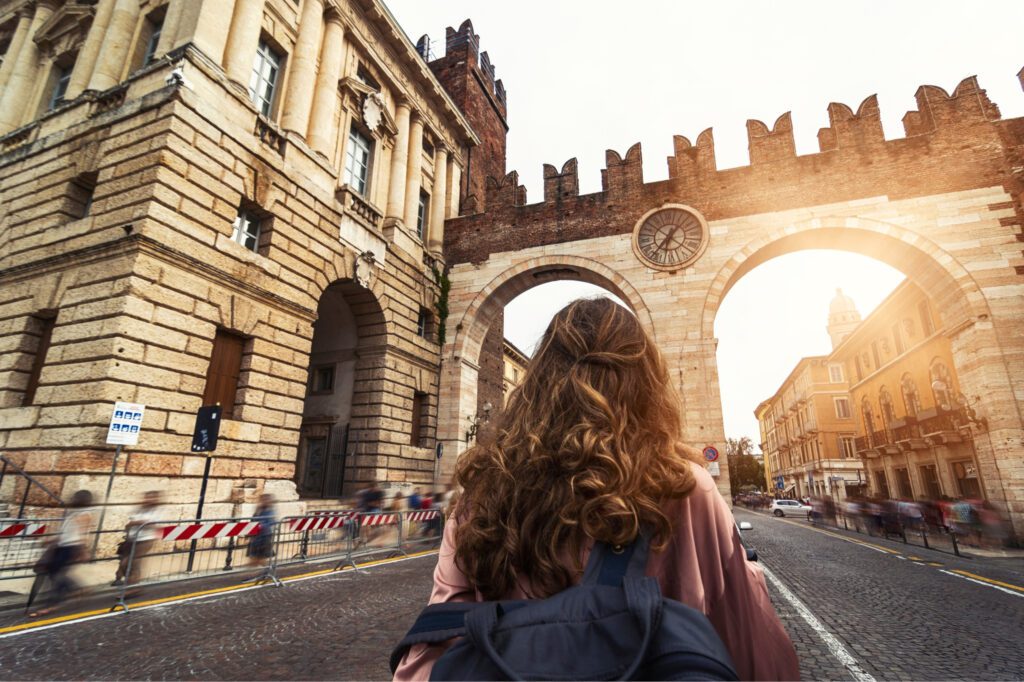
Piazza Bra, the Arena, and the entry into the city
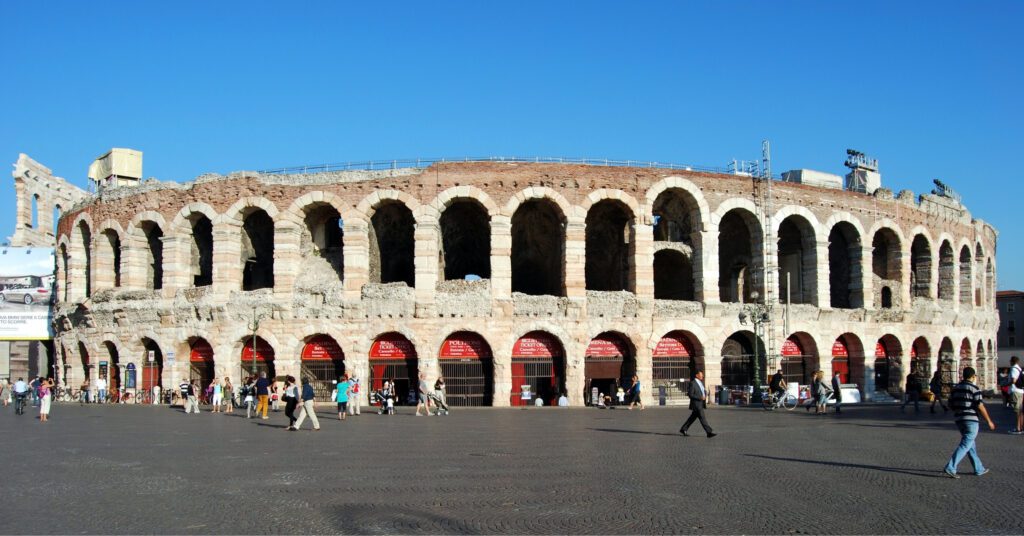
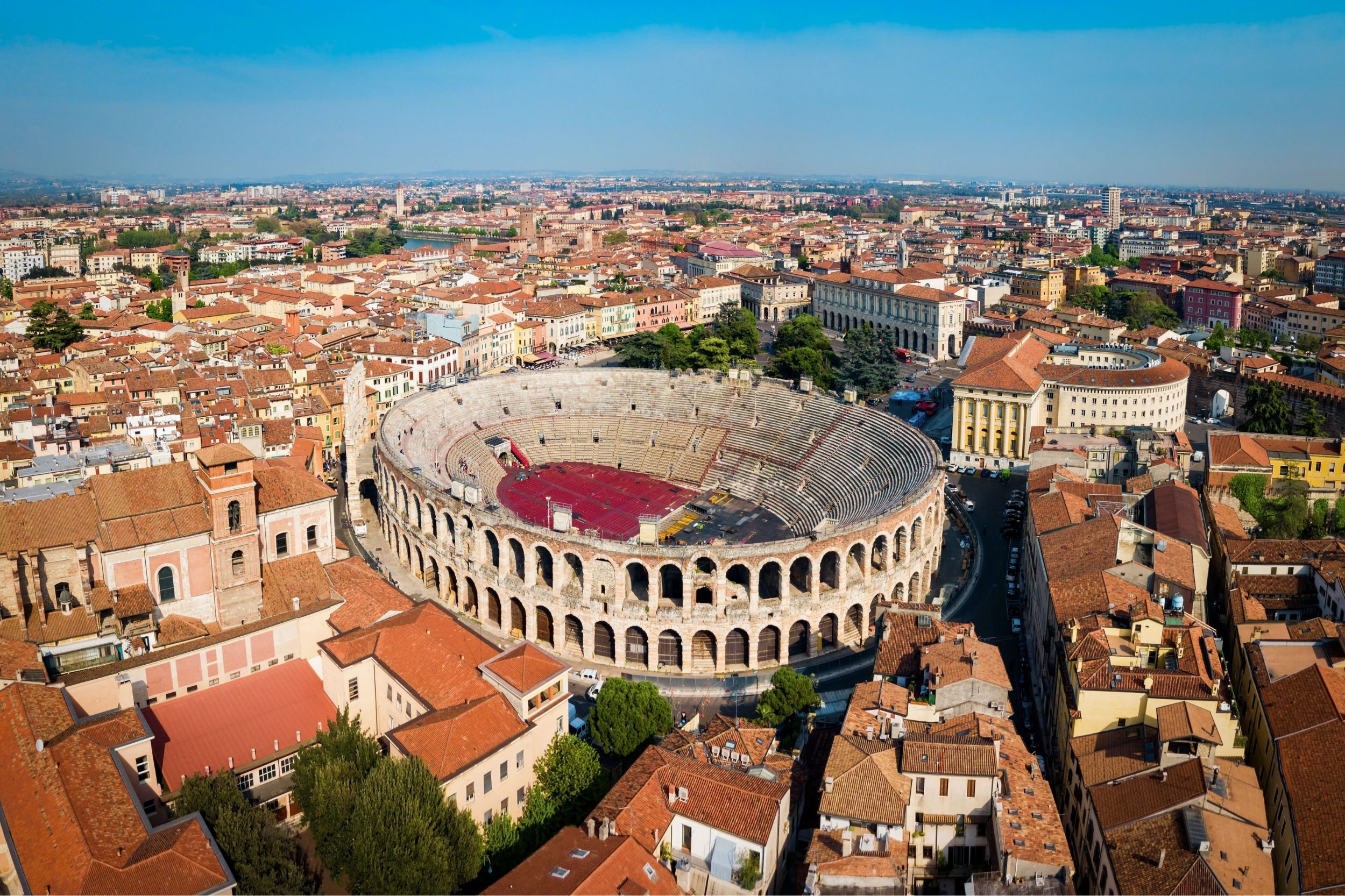
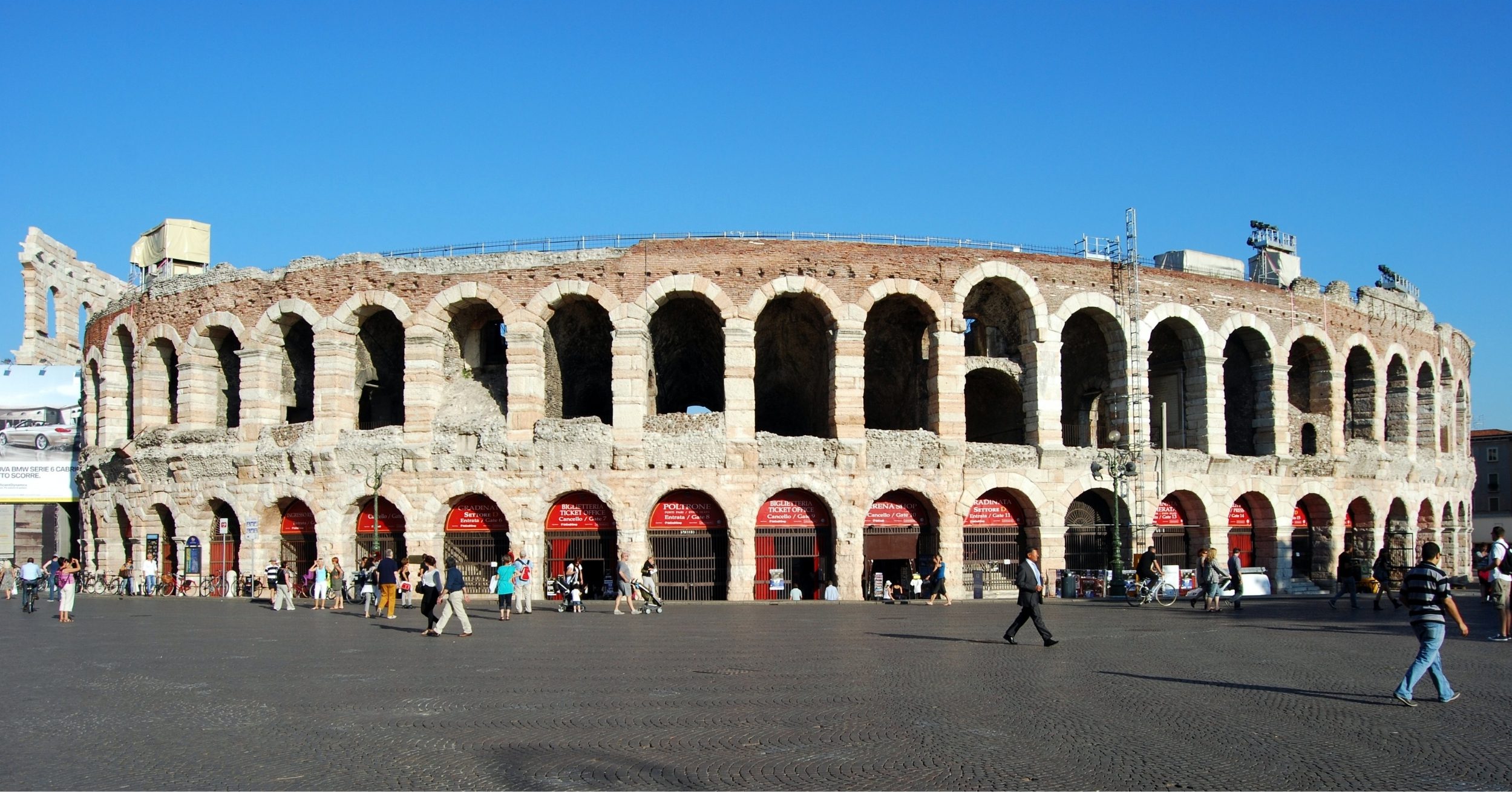
What to see in Verona in one day? The journey can begin in Piazza Bra, a grand urban threshold where Verona slowly opens up among historic cafés, elegant facades, and the continuous blend of travellers, students, and Veronese locals. Here, the city seems to breathe calmly, almost preparing visitors to enter a different dimension.
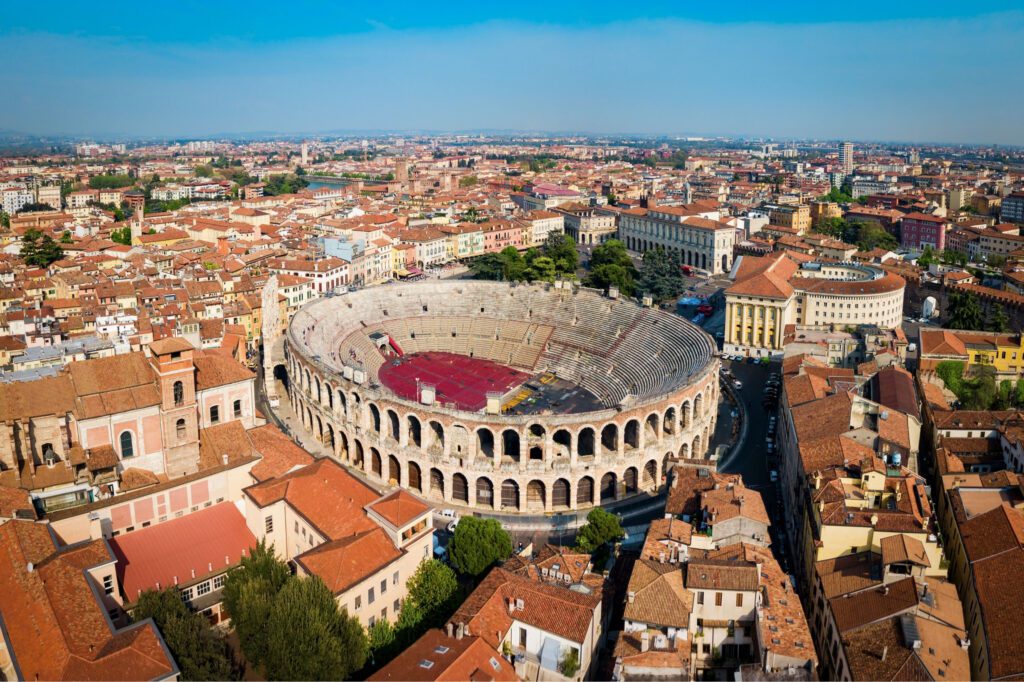
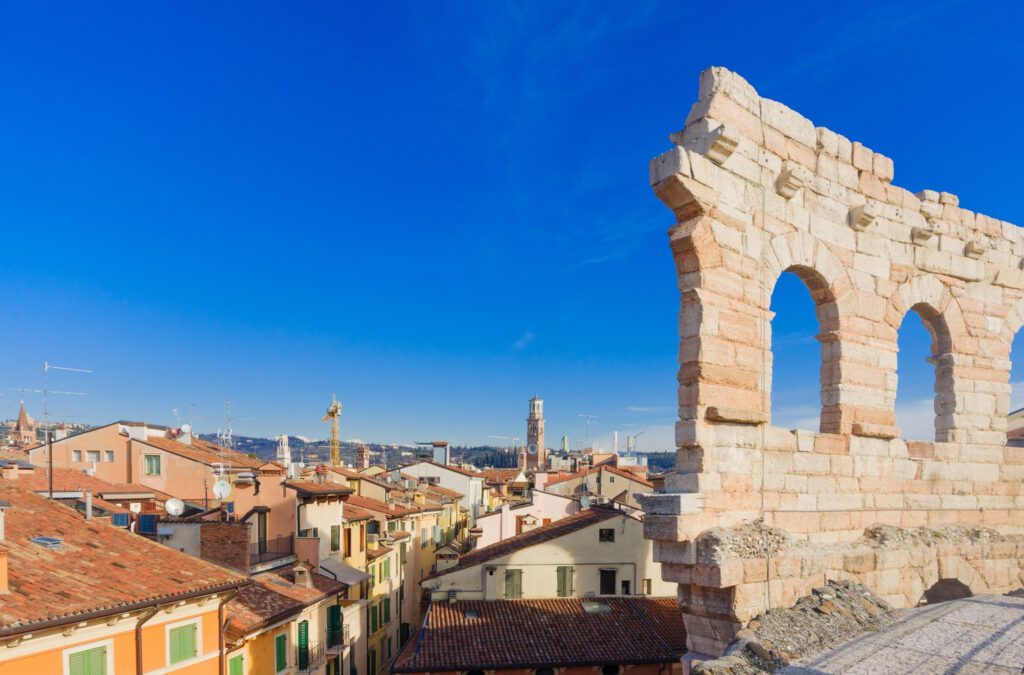
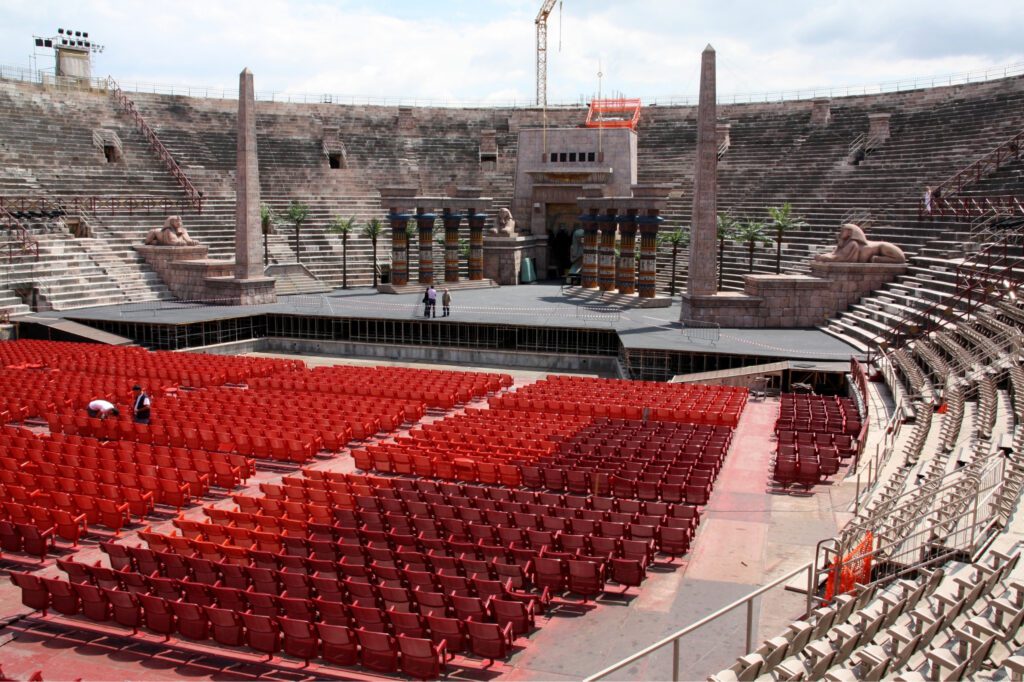
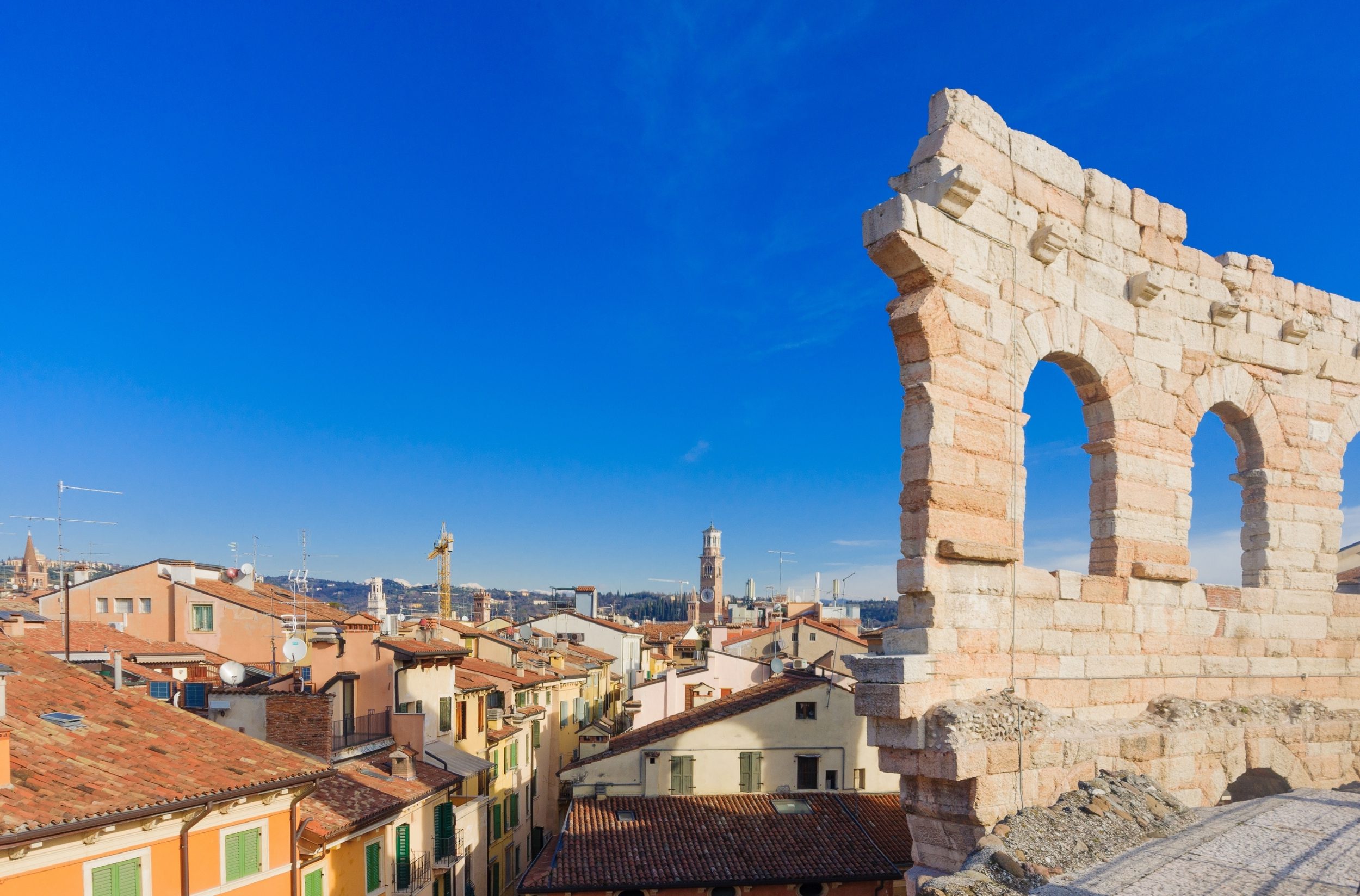
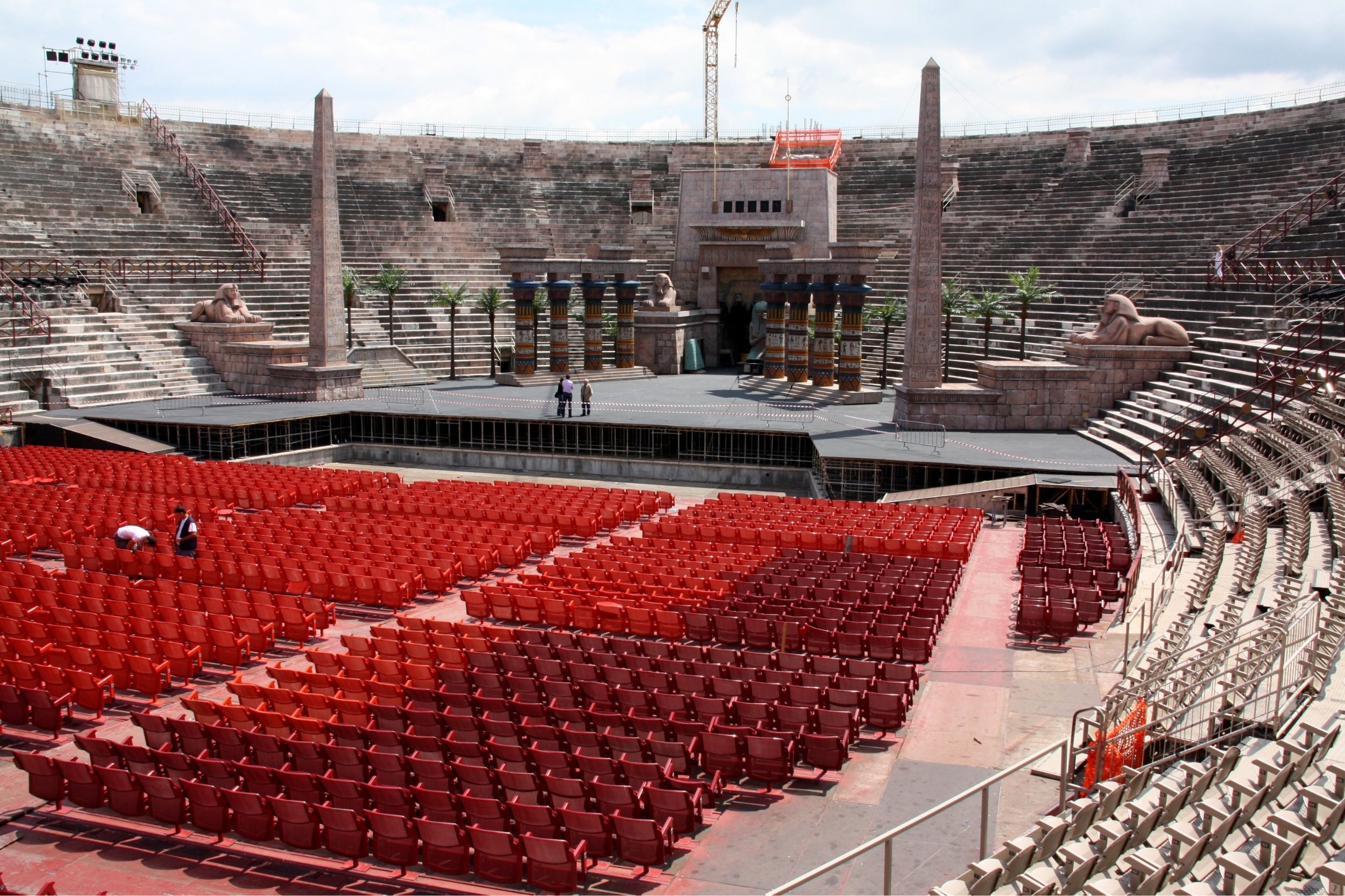
At the centre of this scene stands the Arena of Verona, monumental yet surprisingly alive. It is not merely one of the best-preserved Roman amphitheatres in the world; it is a place that continues to host music of all genres and major events. Step inside or simply walk around it to imagine ancient spectacles, opera nights under the stars, and a city that, for centuries, has gathered in these very same spaces. On the steps of the Arena, generations of locals have come together for celebrations and moments that have shaped Verona’s millennial history.
A short distance away, Castelvecchio introduces a more austere and silent side of Verona. The Scaliger walls, the fortified bridge over the Adige, and the red bricks recount a medieval city built on defence, power, and territorial control. Walking along the ramparts of the Castelvecchio Bridge means observing Verona from a different perspective, where the river accompanies the slow pace of the walk and the panorama opens out onto the surrounding hills.
From the Roman heart to Piazza delle Erbe
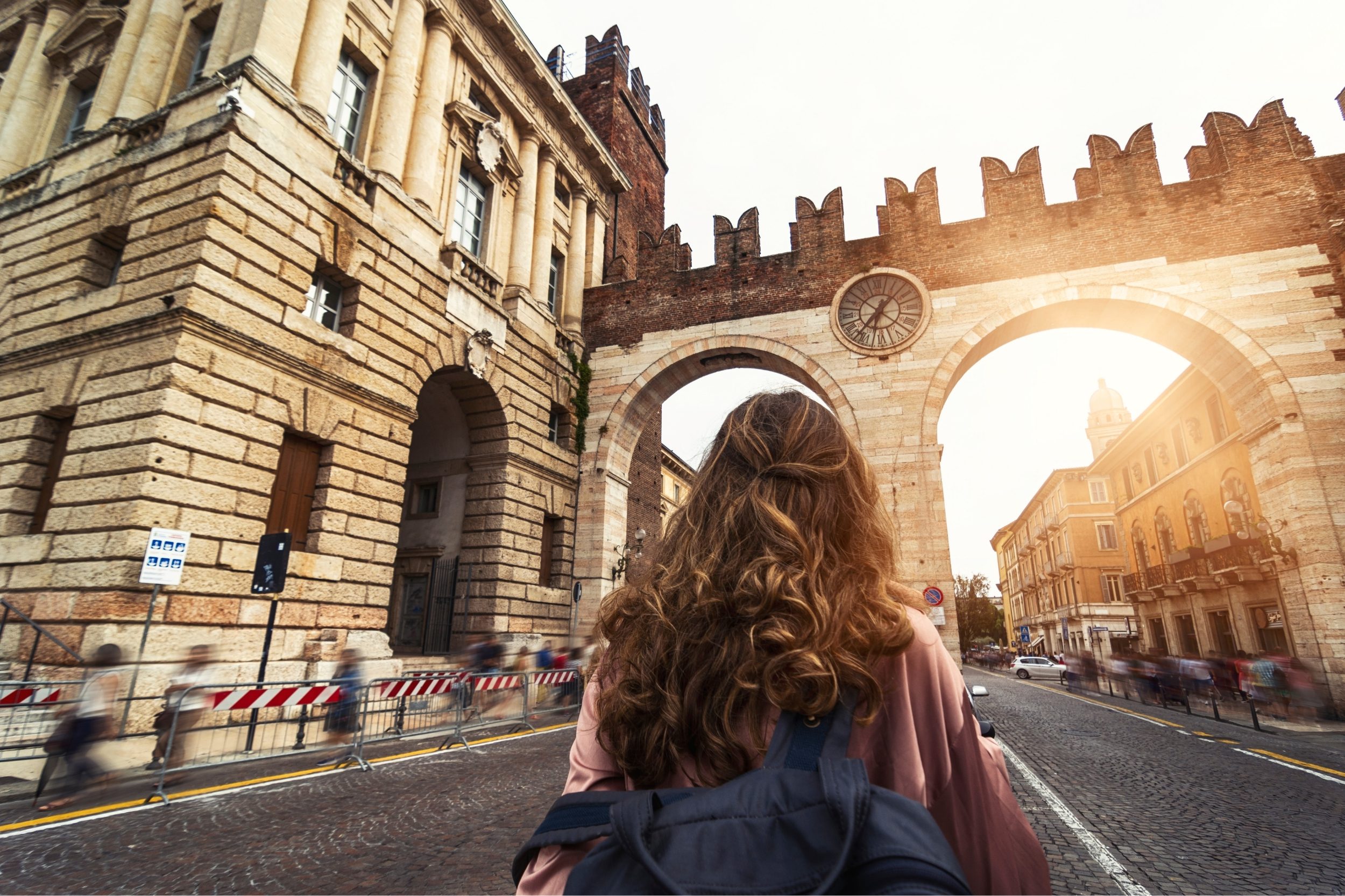
Continuing along Corso Cavour towards the historic centre, you encounter Porta Borsari, an ancient Roman gate that symbolically marks the transition between different architectural eras. Passing through it means entering a city that has learned to live alongside its past without turning it into a mere backdrop.
From here, the streets lead to Piazza delle Erbe, the vibrant heart of Verona, where frescoed facades tell stories of merchants and lords, and the aroma of the market blends with the voices of passers-by in the shadow of the St. Mark column—a remnant of the Venetian Republic in the city.
Climbing the Lamberti Tower means looking over Verona from above and capturing its perfect balance between monumentality and daily life, urban harmony and spontaneity.
Nearby, Juliet’s House continues to welcome curious and romantic eyes, less for the legend itself than for what it represents: the universal need to give love a face.
For those visiting Verona for the first time, these places reveal far more than meets the eye at a quick glance. Piazza Bra, the Arena, Piazza delle Erbe, and Piazza dei Signori hold stories, details, and curiosities often invisible without the perspective of someone who lives the city every day.
For this reason, many travellers choose to join a guided tour of the historic centre, a simple way to transform a walk among monuments into a true journey of discovery.
The Verona of the Scaligers and Dante
Heading towards Piazza dei Signori, Verona’s atmosphere shifts once again. The streets become more intimate, the buildings take on a more austere character, and the city seems to speak of another chapter of its history: that of Scaliger power.
At the centre of the square stands the statue of Dante Alighieri, a presence far from coincidental. It was Verona that welcomed the poet during his years of exile, offering what he himself would describe as his first refuge away from Florence.
Between Palazzo della Ragione, Palazzo del Podestà, and Loggia del Consiglio, one still senses the importance of the Scaliger court in the political and cultural life of medieval Italy. Nearby, the Scaliger Tombs preserve the memory of the dynasty that turned Verona into one of the most influential cities of the 14th century.
Walking through this part of the historic centre means understanding that Verona is not only the city of Romeo and Juliet. It is also the city of Dante, of merchants, of lords, and of the great events that shaped Italian history.
Many of the places the poet frequented during his stay continue to live within the city’s modern fabric. Dedicated thematic routes still make it possible to follow in his footsteps through the historic centre, weaving together history, literature, and local traditions into a narrative that brings Dante’s exile surprisingly close.
For those wishing to explore the connection between Dante and the city, dedicated itineraries recount the poet’s exile through historic sites, traditional workshops, and local flavours. An original way to discover how Dante’s memory lives on in daily Veronese life.
Aperitivo behind the Well of Love
The unmissable aperitivo is hidden behind Piazza delle Erbe, tucked away among the stones of Vicoletto San Marco in Foro, where the Well of Love preserves one of Verona’s most intimate and tragic legends. The story of Corrado and Isabella tells of a tormented love born of pride, longing, and words spoken too quickly. Even today, this quiet corner retains a secret, suspended feel, far from the city’s crowded paths.
It is right here, steps away from the Well of Love, that Verona reveals one of its most authentic languages: wine, gathered from its surrounding hills.
In the historic centre, you can take part in a narrative wine tasting dedicated to Valpolicella wines inside a historic wine bar frequented by generations of locals. More than a simple tasting, it is a journey through stories, land, and local culture, where glasses of Soave, Valpolicella, Ripasso, and Amarone are paired with local specialties and city lore.
In a city like Verona, wine becomes a way to read the landscape and understand the relationships between people, hills, and memory.
For those wanting to deepen their connection to this heritage, a guided tasting in the historic centre is an opportunity to get to know the region’s iconic wines from Soave to Amarone while listening to the stories that bind Verona to its hills and traditions.
From the Duomo to Ponte Pietra
The afternoon can open to a more contemplative dimension, starting from Verona Cathedral and the nearby Basilica of Sant’Anastasia, where light filters slowly and invites quietness. Here Verona lowers its voice, making space for a slower, reflective rhythm.
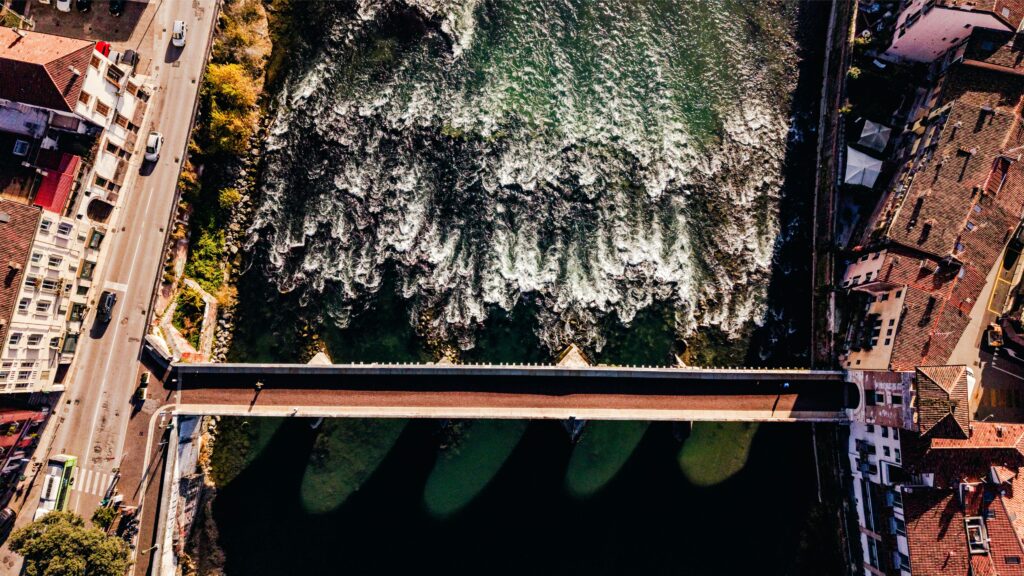
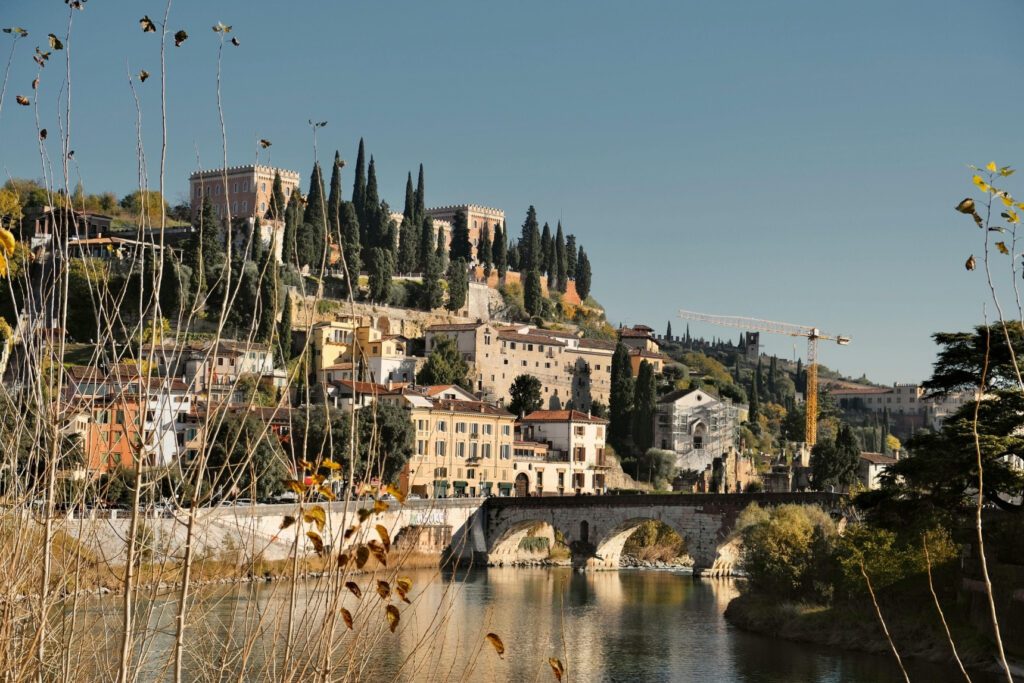
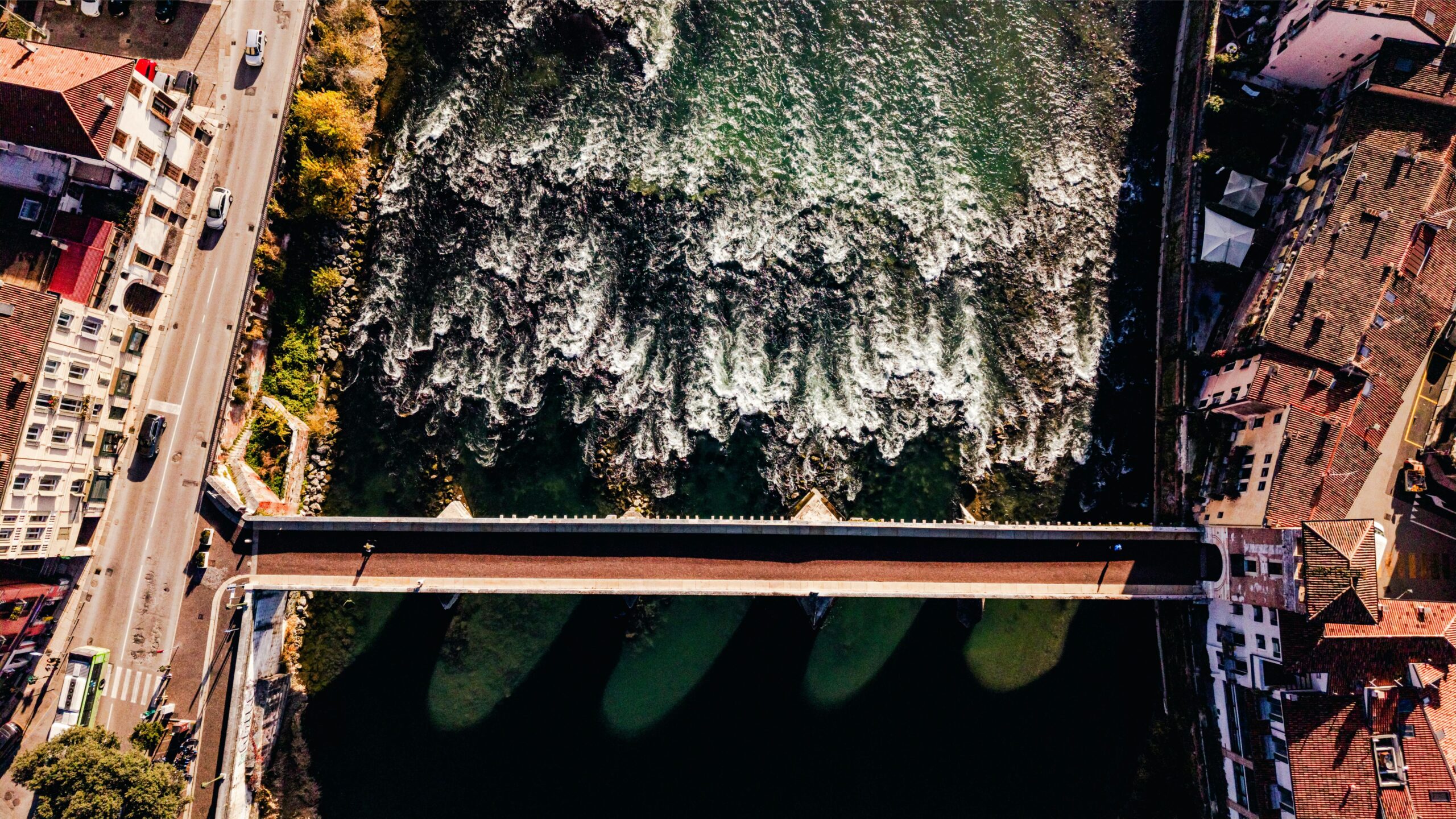
Continuing towards the river leads to Ponte Pietra, Verona’s oldest bridge, suspended between Roman stone and urban scenery. Crossing it offers a new perspective on the city, where the Adige river becomes a constant presence and the bond between Verona and nature becomes strikingly clear.
It is worth pausing to imagine the city some 150 years ago: before modern embankments, houses, mills, and merchant boats lined the riverbanks, animating daily economic life. For centuries, the river dictated the shape of the neighbourhoods, the pulse of urban life, and the way Verona grew around its waters.
Just beyond, the Roman Theatre rests against the hillside as if it were a natural part of the landscape, reminding us that Verona has always been a meeting place for performance, culture, and daily life.
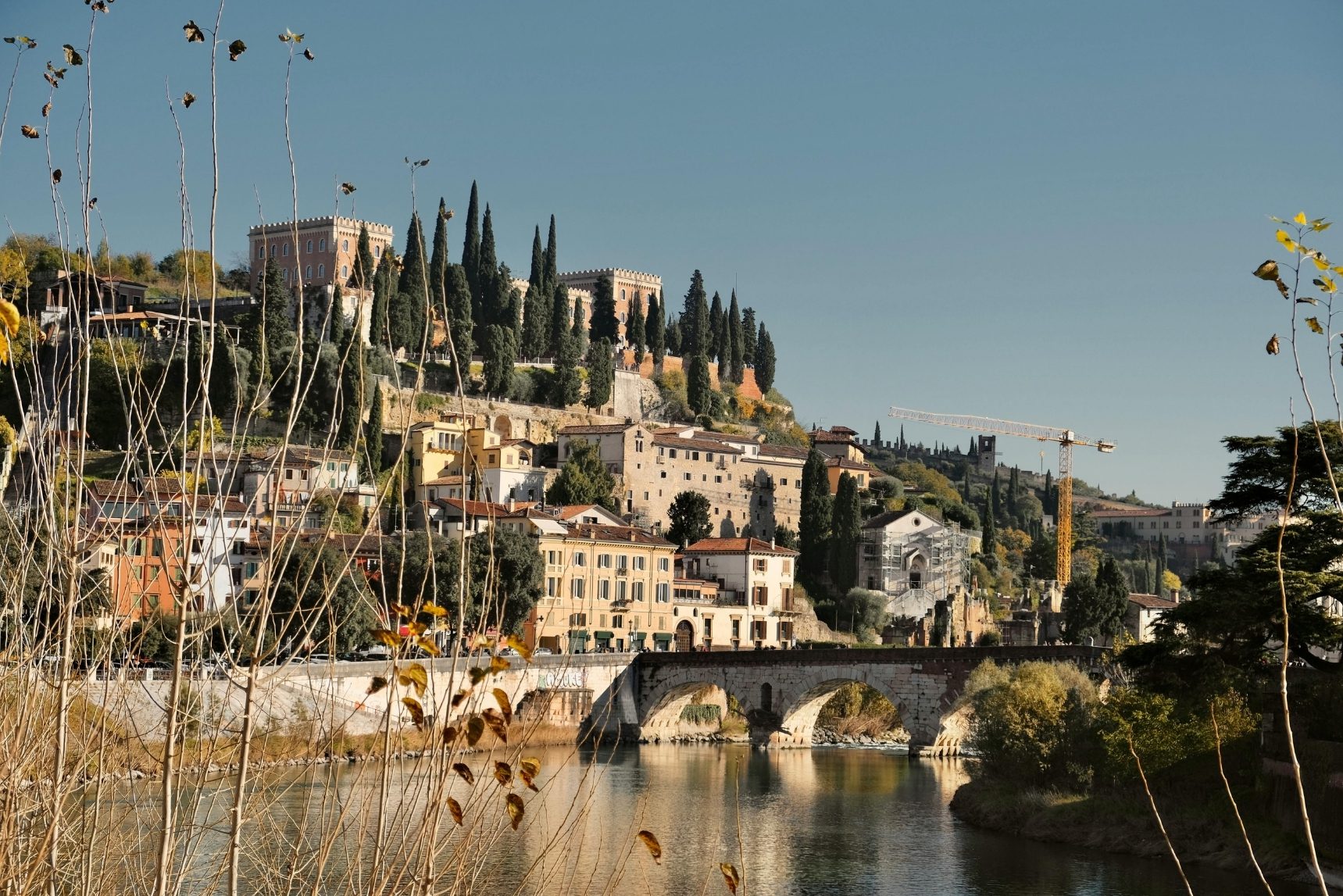
Sunset from the Castel San Pietro Funicular
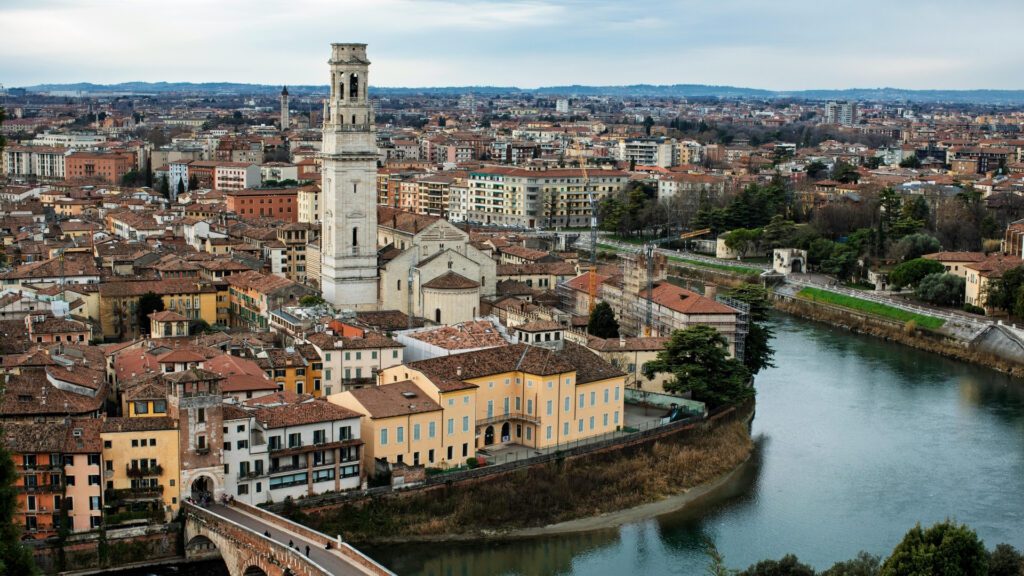
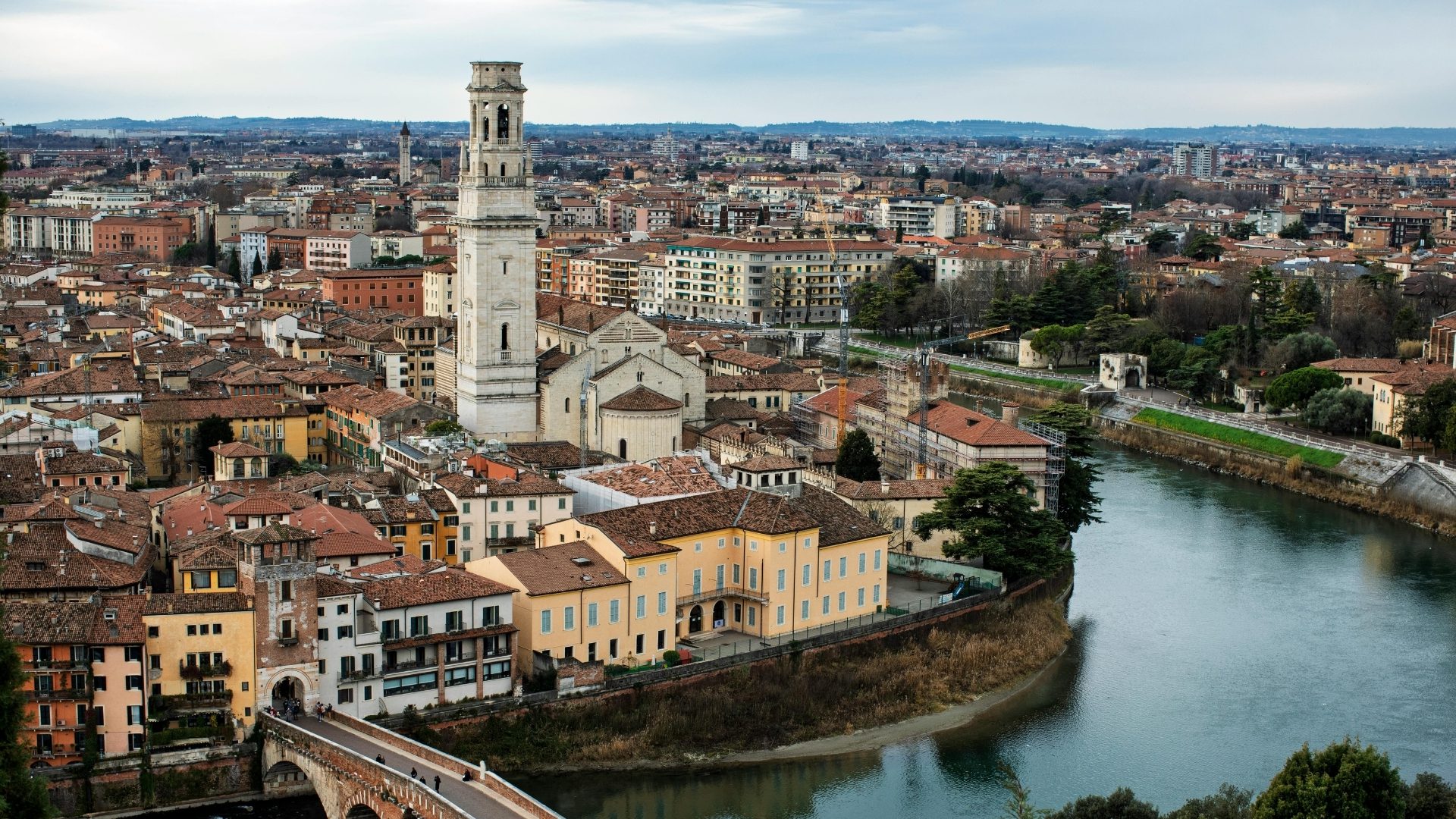
The day can end with the ascent to Castel San Pietro, accessible via the historic funicular that slowly climbs toward one of the city’s most breathtaking viewpoints.
From up here, Verona unfolds completely: rooftops, bell towers, river bends, and the stones walked during the day come together in a single narrative brushed with rosy hues—the very light that has made Verona one of Italy’s most romantic cities for centuries.
And perhaps that is Verona’s true secret: knowing how to slow down those who arrive, if only for a day.
For those wishing to go beyond monuments and discover the city through stories, encounters, and local traditions, Verona offers pathways capable of turning a simple visit into a deeper experience.