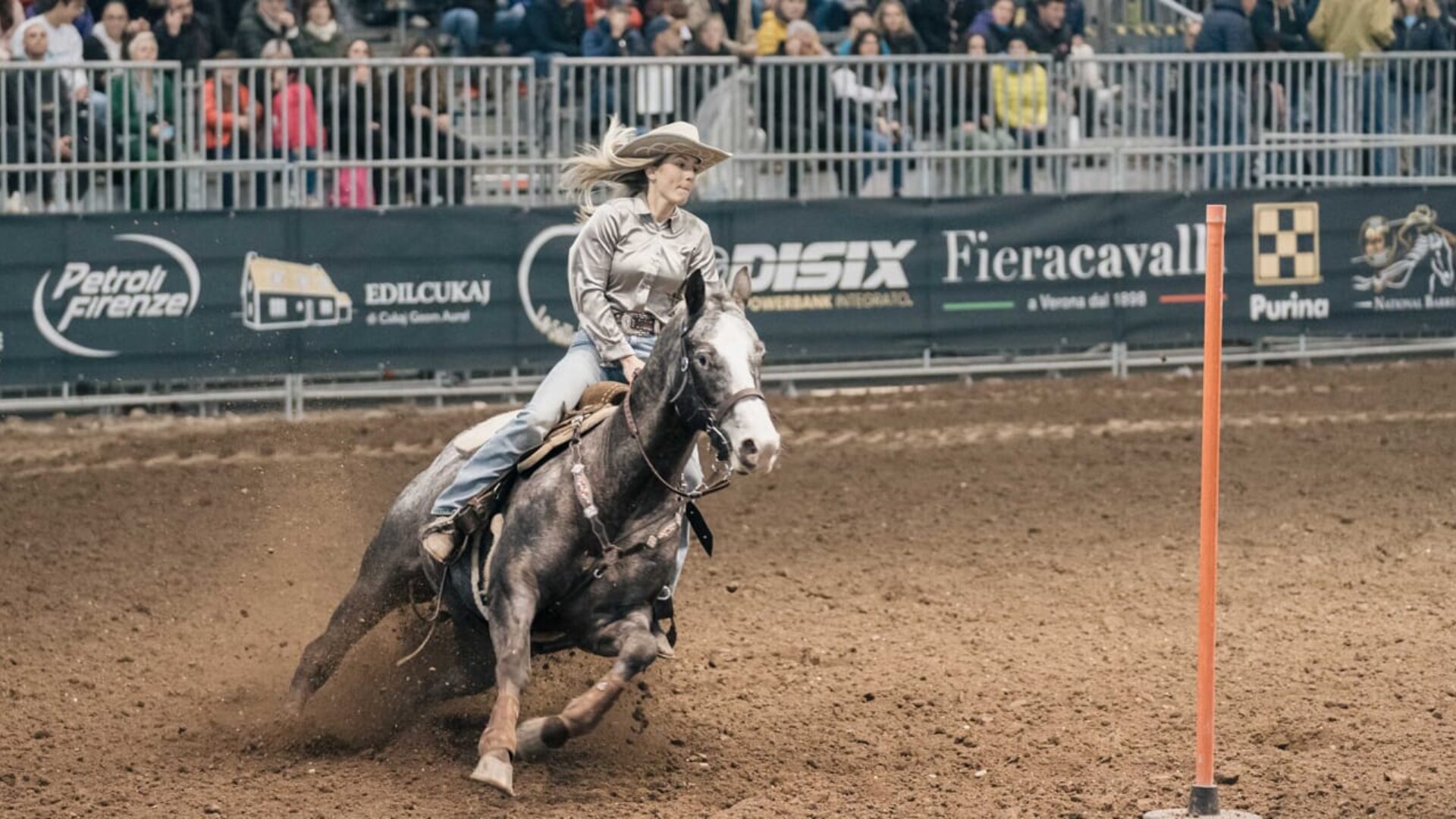

From November 5 to 8, 2026, the Veronafiere exhibition center hosts the 128th edition of Fieracavalli, the premier benchmark event for the national and international equestrian scene. The exhibition welcomes over 2,400 horses representing 60 breeds, 700 exhibiting companies, and a packed schedule of more than 200 events.
This guide provides a structured overview of all the logistical details needed to plan your visit (exact opening hours, the Verona City Council shuttle bus plan, tickets, and World Cup competitions), along with a historical account tracing Verona’s connection to horses from 1898 to the present day.
The timeline: from Bibbiena (1772) to the modern revival
Verona’s geographical location—a natural crossroads between Central Europe via the Brenner Pass and the Po Valley—has made it for centuries a prime marketplace for the trade of pack, draft, and war animals.
1772: Architect Francesco Galli da Bibbiena designs and builds the first permanent exhibition grounds dedicated to the trading and showing of horses, mules, and donkeys.
1898: A resolution passed by the Verona City Administration establishes biannual horse and agricultural fairs. This marks the official inception point for today’s edition count.
1930: With the establishment of the Ente Autonomo per le Fiere di Verona (Verona Fair Authority), the exhibition is admitted to the UFI (Union des Foires Internationales).
1948–1976: Following the introduction of the Agricultural Machinery Exhibition in 1948 and post-war mechanization, horses virtually disappear from productive labor circuits. In 1976, fair management decides to spin off and relaunch the event as an independent, international showcase focused on equestrianism, sport, and leisure.
1985: Angelo Betti and Roberto Gobbi commission Veronese director Antonio Giarola to create an evening equestrian arts show: thus begins the Gala d’Oro, a flagship fixture that over the years has showcased legendary performers such as Mario Luraschi, Flavio Togni, Lorenzo, Santi Serra Camps, and Bartolo Messina.
2001: Verona becomes the sole Italian leg of the Longines FEI Jumping World Cup™ global circuit.
Tickets and How to Buy
- Admission prices: Starting from €26.00 for full-price adult tickets. Reduced rates are available for children and visitors over 65.
- Official online channel: Tickets can be purchased on the official Fieracavalli website via the Vivaticket ticketing platform.
- On-site ticket desks: Open at the fairground entrances (Cangrande, San Zeno, Re Teodorico, Scaligero) exclusively until 5:00 PM.
Practical tip: Buying online lets you skip the queues at the outside box offices and head straight through the turnstiles.
Free Shuttles, Parking, and Transport Plan
- From Verona Porta Nuova Railway Station (Line A): Continuous direct service connecting directly to the exhibition entrance gates.
- From the Historic Center (Piazza Bra): Shuttle service for visitors staying in downtown Verona.
- From Park-and-Ride Lots: Continuous links serving the peripheral car parks at Park Stadio, Park Genovesa, and the Adigeo shopping area.
Program and Highlights of the 2026 Edition
The exhibition layout strikes a balance between international competition, biodiversity, and entertainment:
- Longines FEI Jumping World Cup™ (Hall 8 / Pala Range Rover): The world’s most prestigious indoor show jumping circuit, featuring top international stables and elite riders.
- Breed and Conformation Shows: From Purebred Arabs at the Arabian Horse B International Show to the preservation of native Italian heritage breeds (ranging from the Italian Heavy Draft Horse to Maremmano and Murgese horses).
- Western World (Halls 11 and 12): Barrel racing and team penning competitions, alongside themed booths celebrating American western riding.
- Evening Gala d’Oro: Equestrian theater performances starting at 9:00 PM, featuring world-renowned artists and performers.
The Story Continues Beyond the Halls
- The Winged Horse and Cangrande: In the courtyard of Castelvecchio and atop the canopy of the Scaliger Tombs, the equestrian statue of Cangrande I della Scala (14th century) depicts the Lord of Verona on horseback draped in damask caparison and wearing a dog-headed crest—a visual emblem of 14th-century rule and chivalric culture.
- Piazza Bra and the Ancient Market: The expansive open square facing the Arena, originally called Braida (from the Lombard braida, meaning suburban field), served for centuries as the designated venue for livestock fairs, grazing, and military drills before modern organized exhibitions took shape.
- Borderland Cuisine: In the city’s historic osterie, the tradition of pastissada de caval serves as a reminder of centuries of cavalry presence and a distinctly local culinary custom centered around horsemeat—a gastronomic heritage unique to the Venetian culinary landscape.