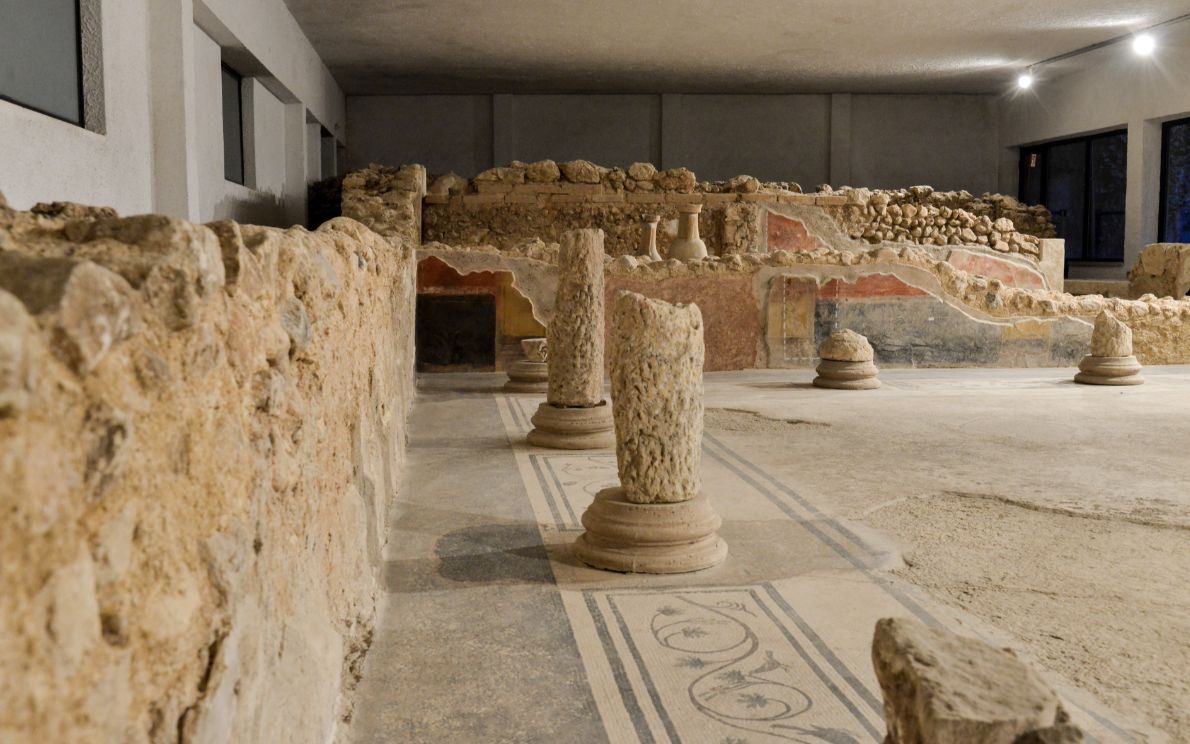

Underground Verona preserves an invisible city that continues to live beneath the historic center. A few meters below the squares, palaces, and streets walked every day by residents and visitors, Roman mosaics, ancient pavements, monumental ruins, and archaeological paths emerge, telling over two thousand years of history.
Discovering Underground Verona means observing the city from a different perspective. It is not just about visiting a few archaeological sites, but about understanding how Verona transformed over the centuries, building its present upon the traces of previous eras.
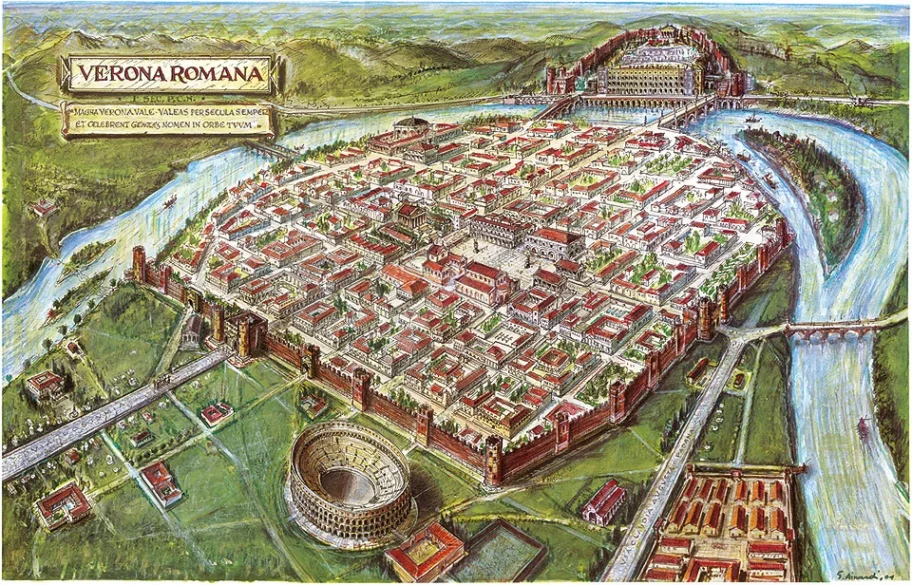
Few cities allow us to see time in depth as much as those built upon themselves.
What underground Verona is
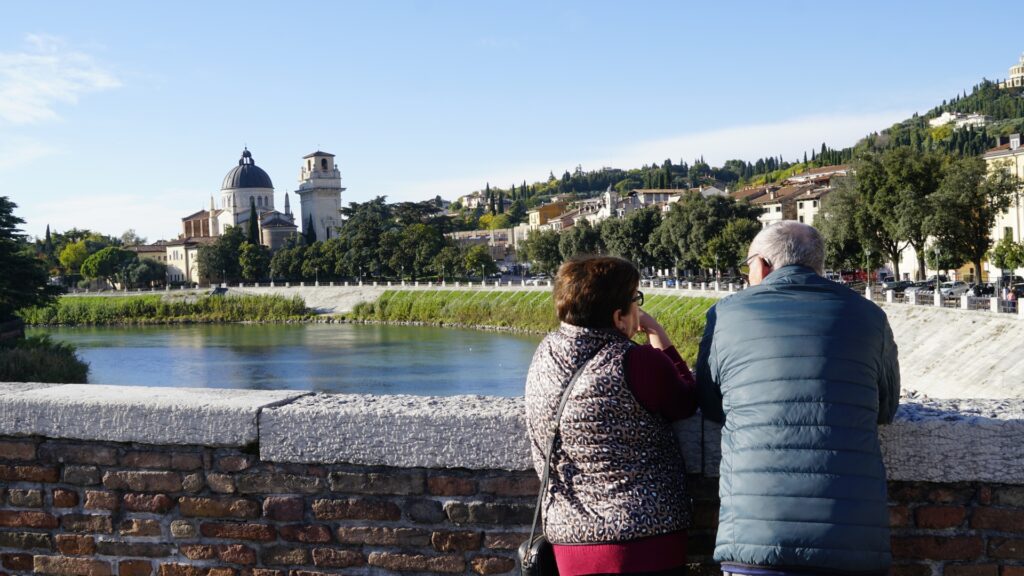
Walking through Verona means traversing centuries of historical stratigraphy almost without noticing. The light stone of the squares, the facades reflecting the sun, and the slow rhythm of the Adige River seem to tell of a bright and immediate city. Yet, beneath this surface, another Verona exists. A silent, stratified city, hidden a few meters below street level.
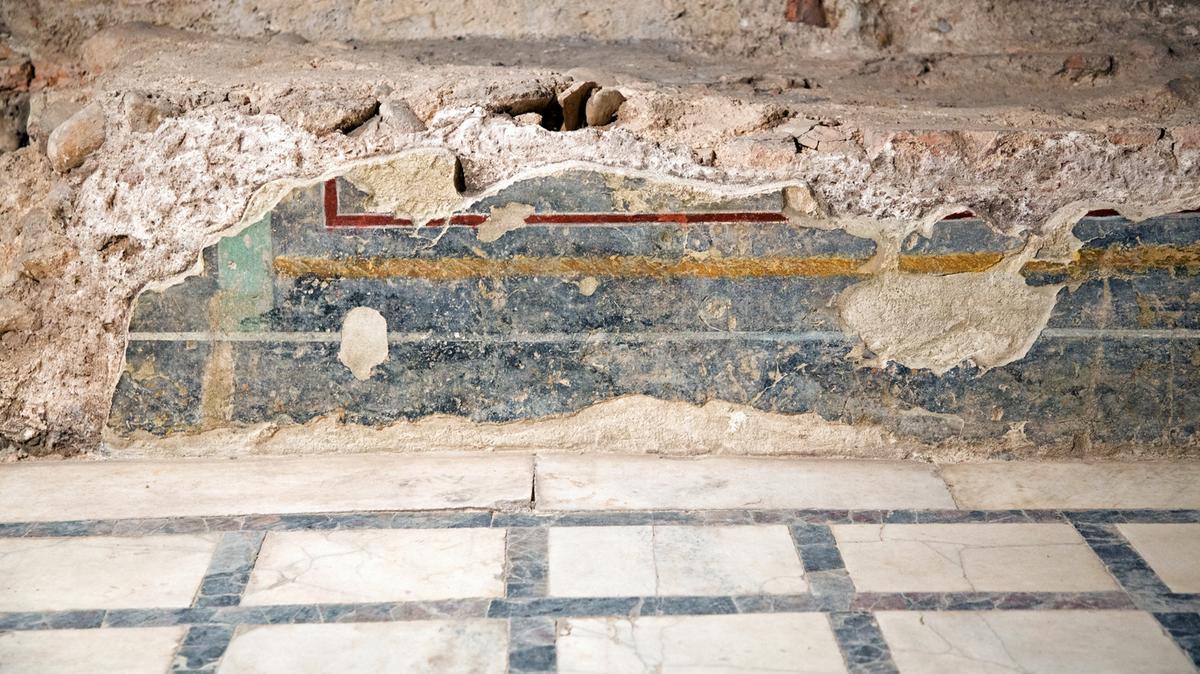
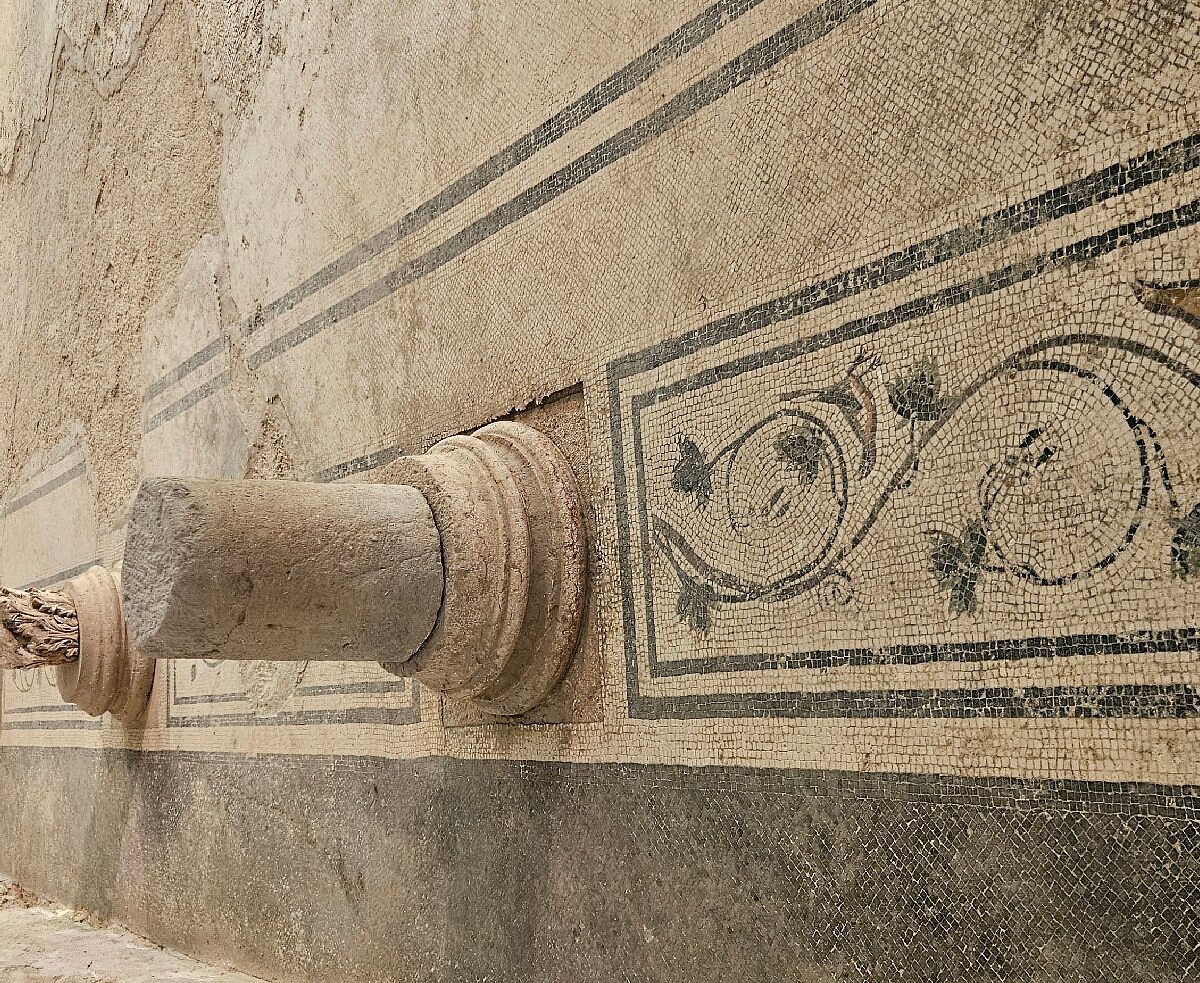
Underground Verona preserves fragments of different eras: mosaics, Roman roads, walls, arches, drainage systems, and spaces that continue to bear witness to the city’s long urban history. Here, the past does not appear as something distant.
On the contrary, it seems to keep breathing beneath our feet
Verona is a city built upon itself
Like many ancient Italian cities, Verona is the result of a continuous overlapping of eras. Even before becoming a Roman city, the Veronese territory was already frequented and inhabited thanks to its strategic position along the course of the Adige. With the progressive Romanization of the area, Verona assumed an increasingly important role until it became a Roman municipium in the 1st century BC.
Its position along major communication routes, such as the Via Postumia, favored the economic and political growth of the city, which became one of the main centers of northern Italy.
Over the centuries, new constructions have progressively covered what previously existed without completely erasing it. You only need to descend a few meters below the current level to suddenly find yourself inside Roman or Early Medieval Verona.
Beneath shops, courtyards, and historic palaces, ancient pavements, foundations, mosaics, and structures brought to light by archaeologists still survive.
Perhaps this is the deepest fascination of Underground Verona: the feeling that the past has not been lost, but simply hidden by the life that came after.
Where to see Underground Verona
Underground Verona does not coincide with a single archaeological site. Various locations in the historic center and its immediate surroundings allow you to observe the city’s oldest evidence.
Each of these sites tells a different part of Verona’s history, from private housing to grand public buildings, from defensive walls to the transformations that occurred after the fall of the Roman Empire.
Roman Villa of Valdonega
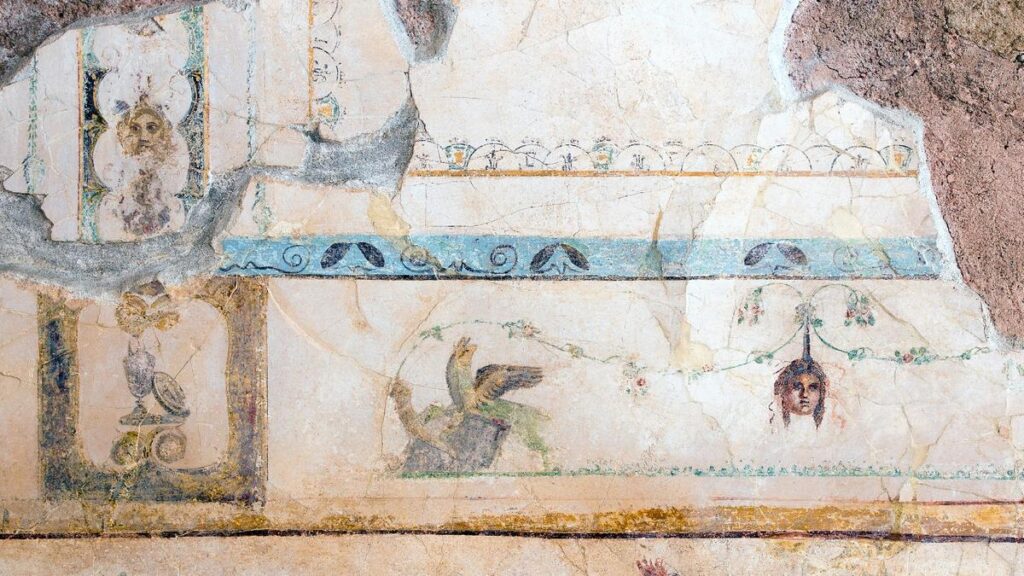
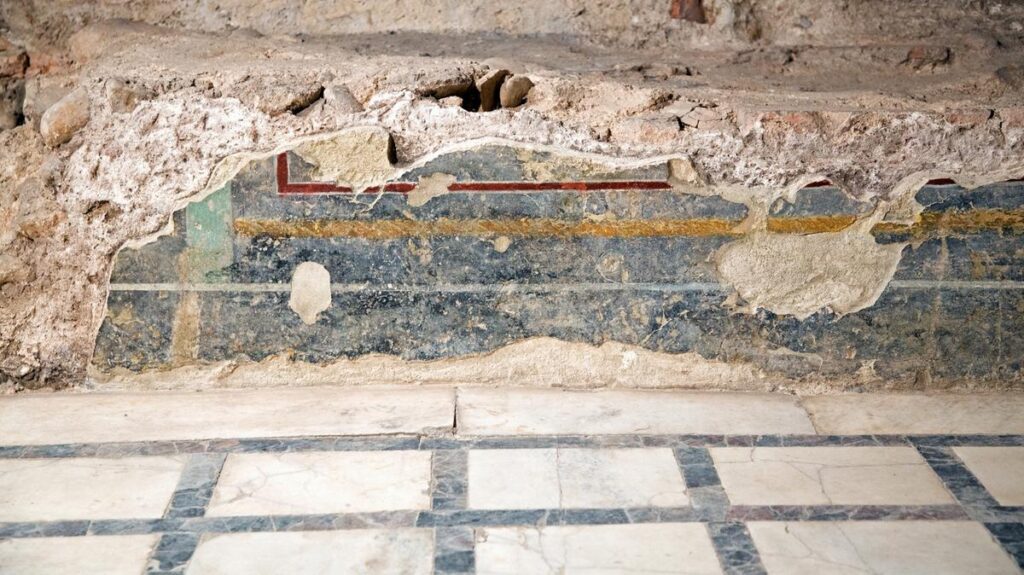
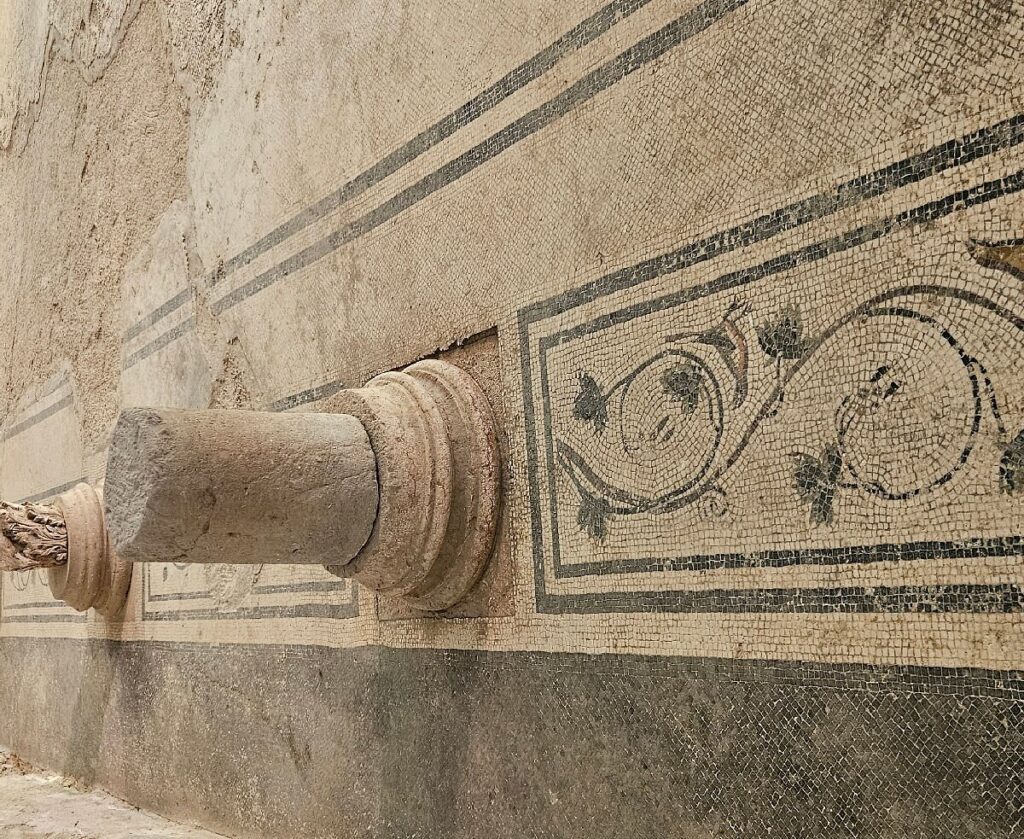
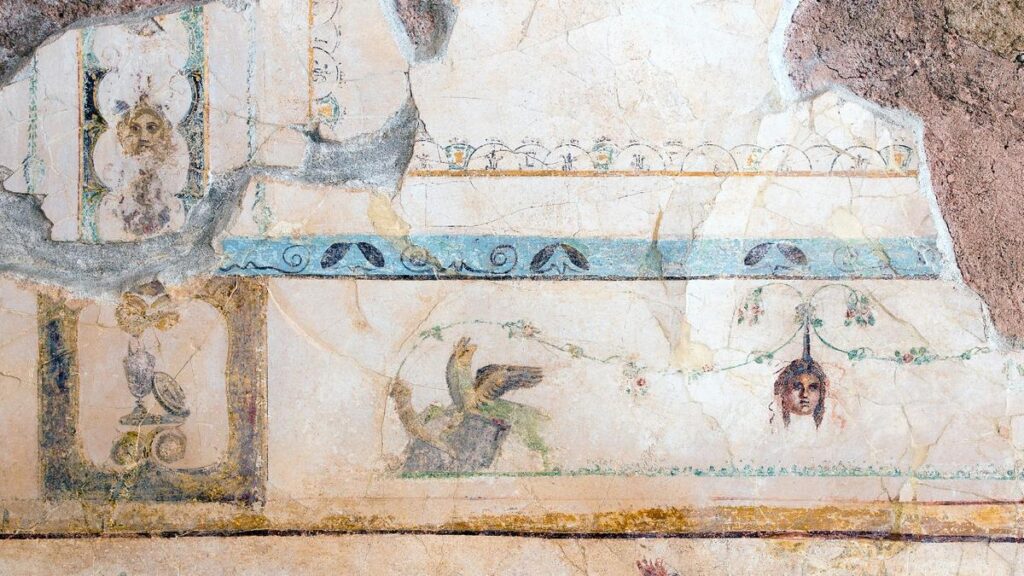
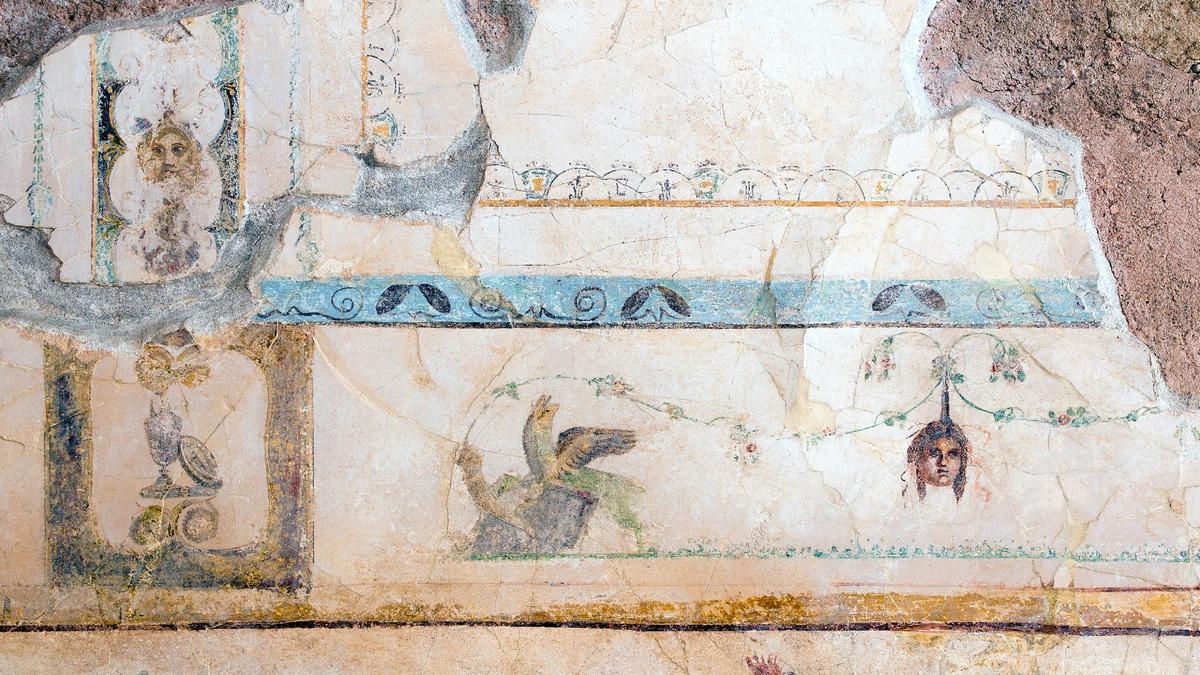
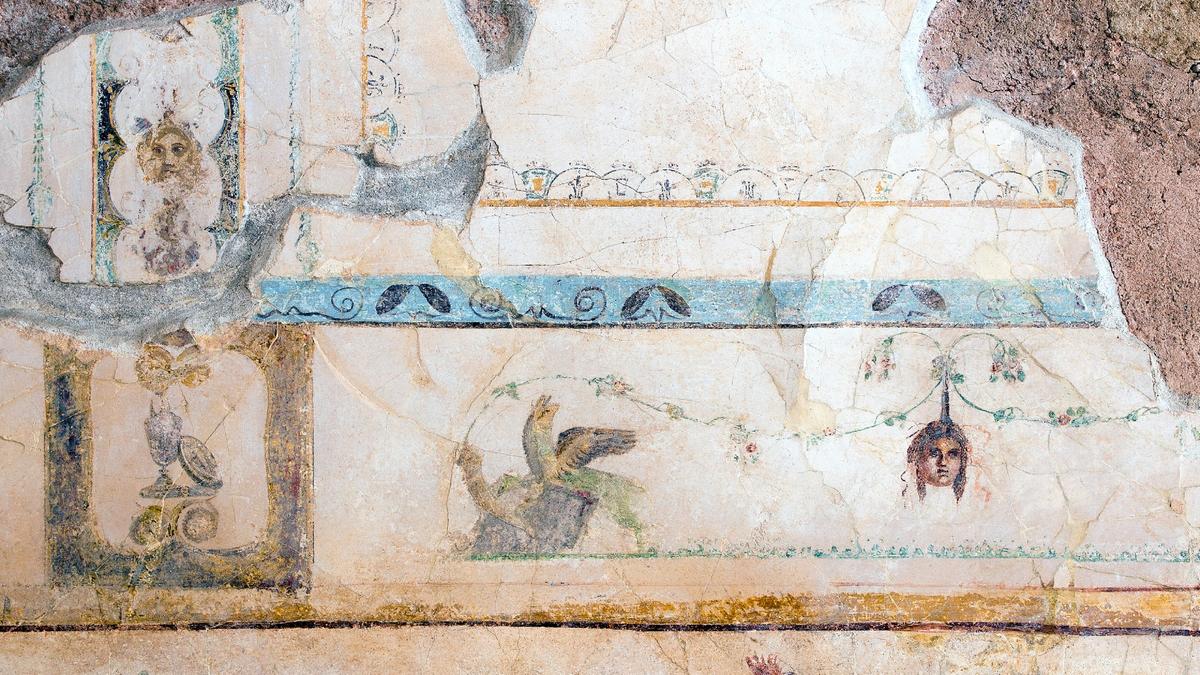
At the foot of the hills surrounding Verona lie the ruins of the Roman Villa of Valdonega, one of the most significant examples of Roman residential architecture in the Veronese territory.
Located outside the ancient city walls, the villa offers a glimpse into the daily life of the wealthier classes of the imperial era. The preserved remains allow us to imagine domestic environments, reception spaces, and a dimension of the city often less known compared to the grand public monuments.
Its position also shows how Roman Verona was not limited to the urban center alone, but extended towards the surrounding hilly areas.
Corte Sgarzerie and the Capitolium
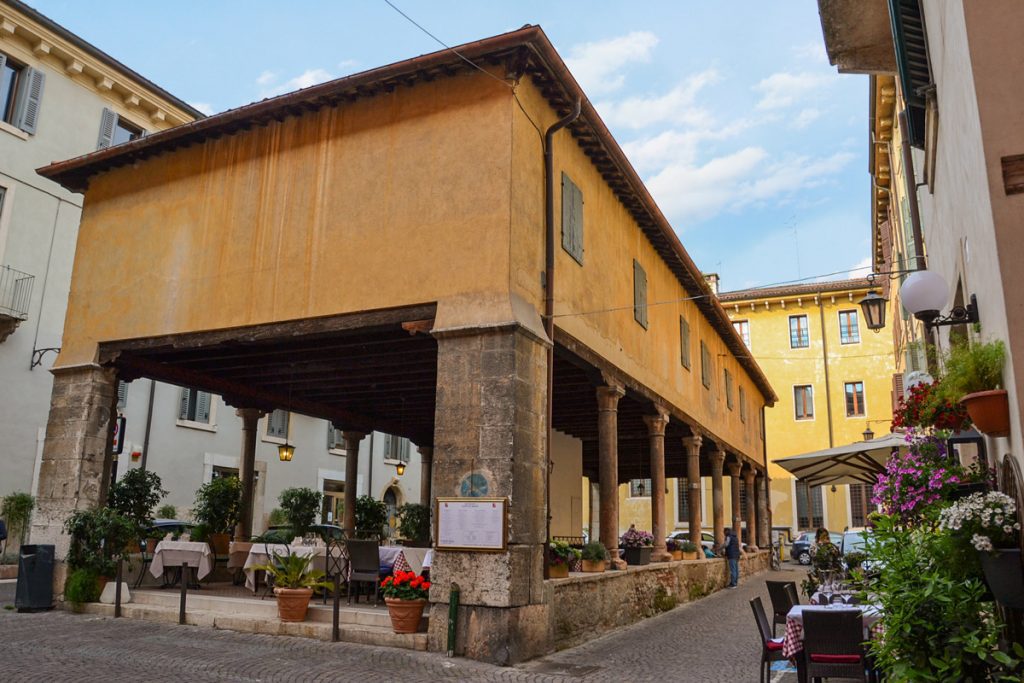
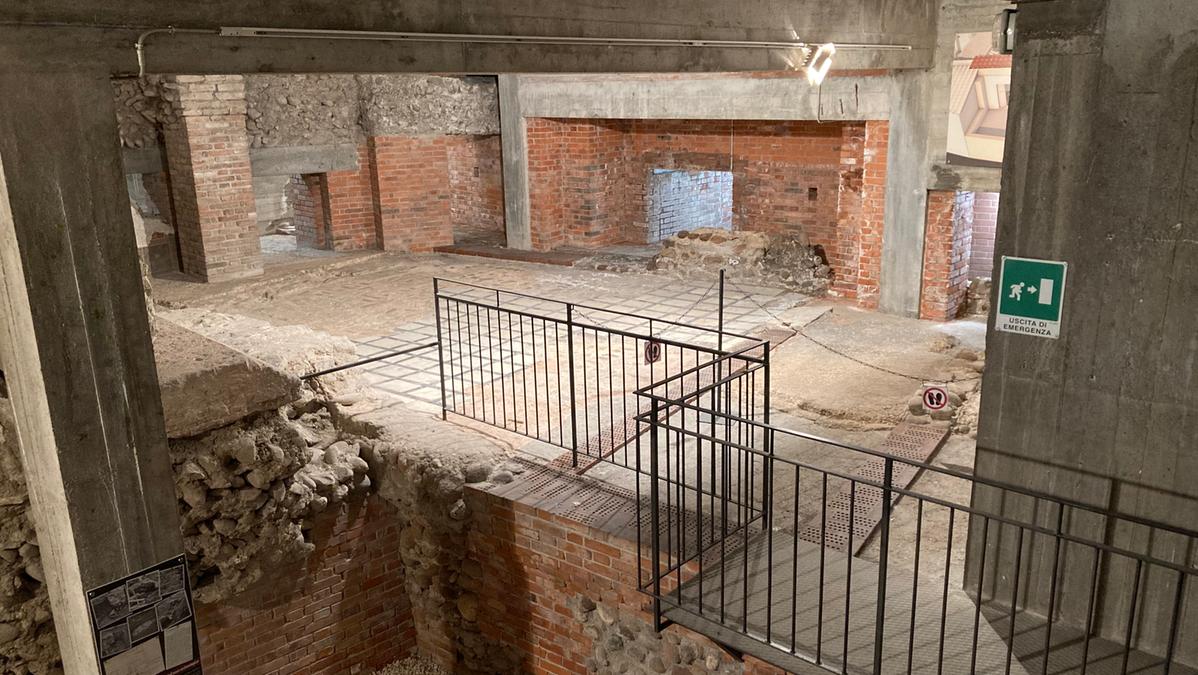
Among the most evocative places of Underground Verona is the cryptoporticus of Corte Sgarzerie.
This underground structure was part of the Capitolium, the main public temple of Roman Verona. Built between the end of the 1st century BC and the beginning of the 1st century AD, the complex dominated the city forum, the heart of political, religious, and administrative life.
Walking among pillars, arches, and underground corridors, one can still feel the monumentality of one of ancient Verona’s most important buildings. What makes this place particularly fascinating is the overlapping of eras. Alongside the Roman structures, medieval traces and subsequent interventions emerge, testifying to a city in continuous transformation.
Via San Cosimo and the ancient walls
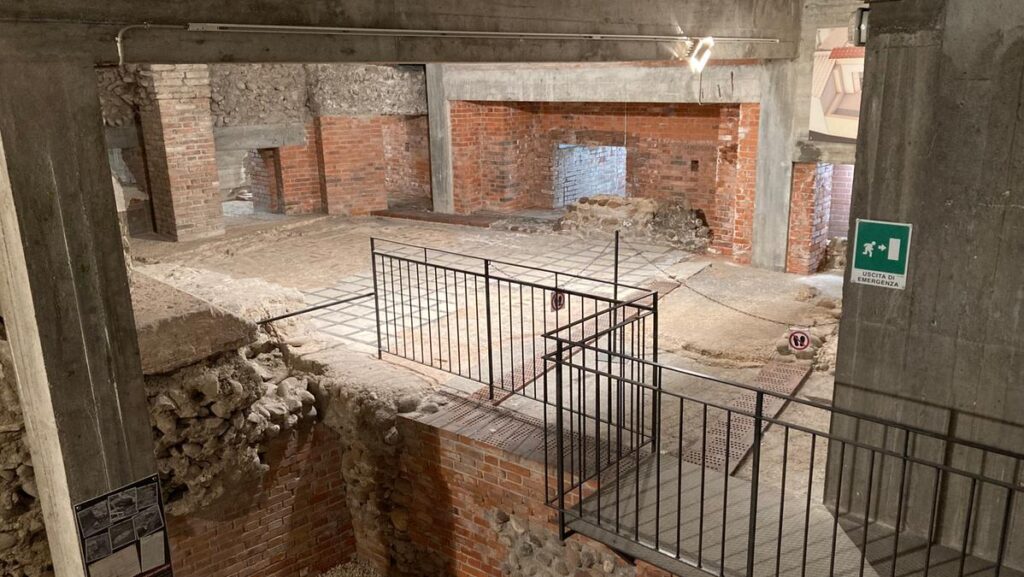
Another precious testimony of Underground Verona is represented by the archaeological area of Via San Cosimo. Here, remains of residential buildings, defensive structures, and evidence recounting the different stages of the city’s development coexist.
Particularly interesting are the traces of the ancient walls, which allow us to understand how Verona progressively modified and strengthened its defensive system over the centuries.
From Roman Verona to the Middle Ages
One of the most fascinating aspects of Underground Verona is the possibility of observing evidence belonging to very different historical periods in the same place. The Roman structures did not suddenly disappear with the end of the Empire. Many buildings continued to be used, modified, or dismantled to reclaim construction materials.
In the archaeological layers, traces of a slowly changing city emerge: homes adapted to new needs, reinforced walls, transformed public spaces, and new buildings constructed over previous ones.
Contemporary Verona is the result of this continuous stratification.
The relationship between Verona and the Adige
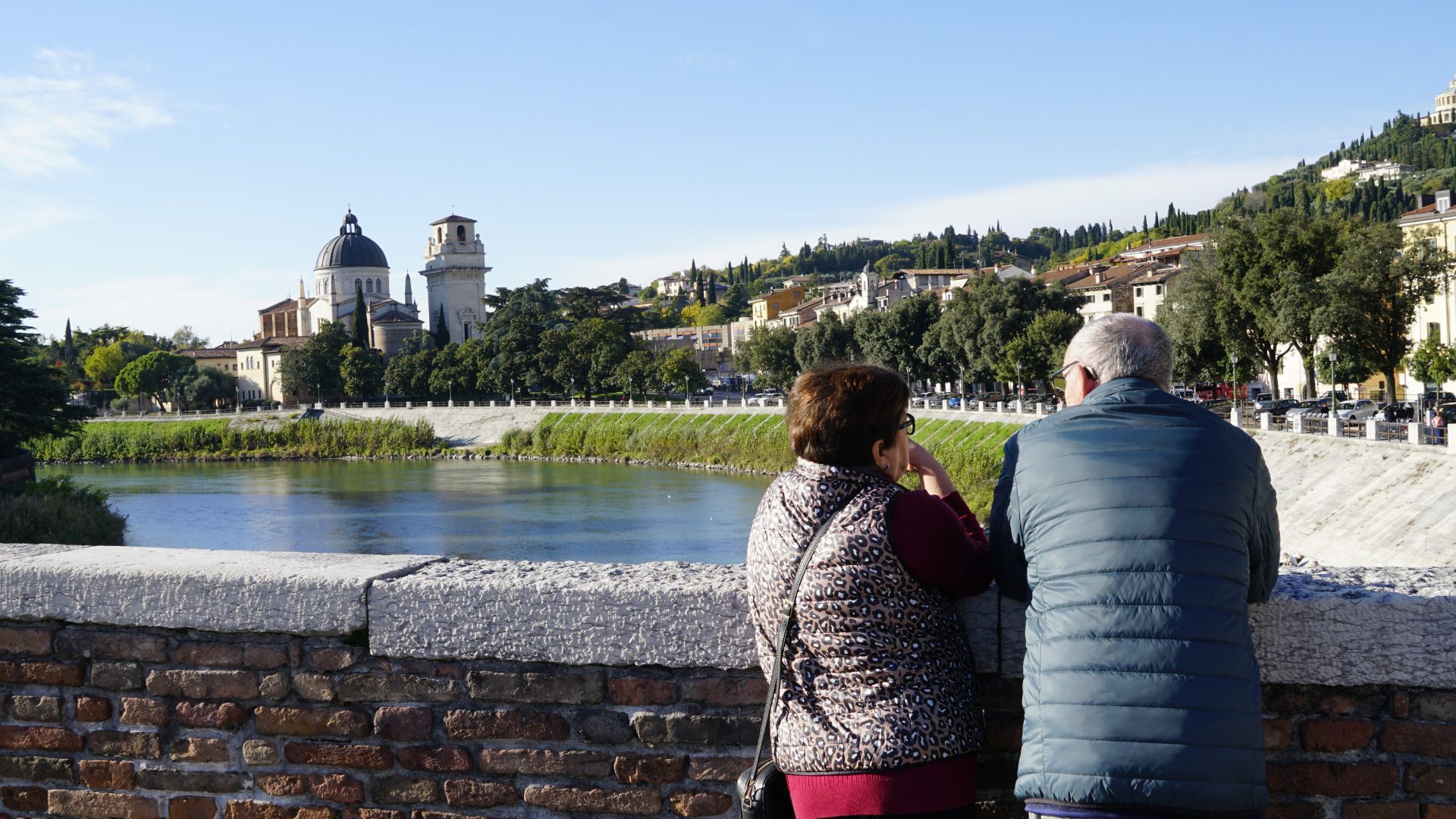
Going underground in Verona also means understanding the deep relationship between the city and its river. For centuries, the Adige influenced urban development, determining the construction of drainage systems, defensive works, and infrastructure designed for water management.
Frequent floods contributed to altering the level of the urban ground, progressively covering older buildings and structures. In part, this is why many remains of Roman Verona are located several meters below the current street level today. In the silence of the underground environments, the sounds of the city seem to fade away.
The light becomes more discreet. Humidity holds time back. Every step downwards becomes a different way of observing Verona.
FAQ - Underground Verona
What are the most important sites of Underground Verona?
Among the most significant sites are the Roman Villa of Valdonega, the cryptoporticus of Corte Sgarzerie, the archaeological area of Via San Cosimo, and the Scaliger Excavations (Scavi Scaligeri).
Are there still Roman roads beneath Verona?
Yes. Several archaeological excavations have brought to light stretches of ancient Roman roads, complete with drainage systems and urban infrastructure.
Where is the Roman cryptoporticus of Verona located?
The cryptoporticus of the Capitolium is located in the Corte Sgarzerie area, in the heart of the historic center.
Why are many Roman ruins located below street level?
Over the centuries, the city built itself upon itself. New constructions, floods, and urban transformations progressively covered the older buildings.