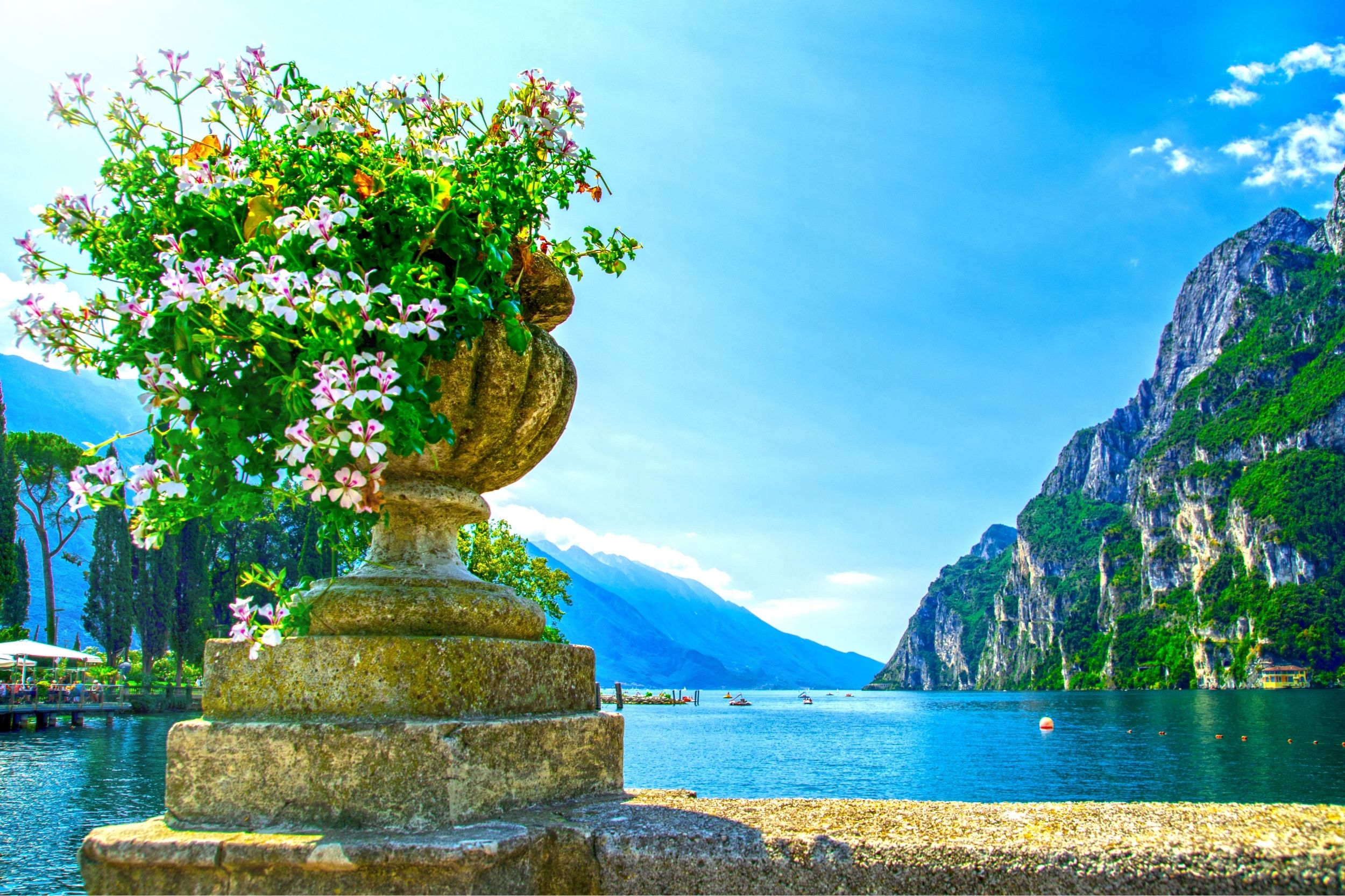

Visiting Lake Garda in a single day means accepting a small contradiction: having little time in front of a landscape that constantly changes shape. Within a few kilometers, the lake shifts from the quiet harbors of lower Garda to the almost alpine rock faces of the north, alternating olive groves, castles, lemon houses, and roads suspended over the water.
For this reason, rather than trying to “see everything,” it is worth building an itinerary capable of conveying the true character of the lake. The Veronese shore is perfect for this: compact, scenic, and dotted with villages that seem designed to be experienced slowly, even when time is short.
This itinerary is dedicated to anyone asking what to see on Lake Garda in 1 day without turning the day into a non-stop race.
How I wish my friends were here for a moment to enjoy with me the view before my eyes.
Morning on the lower Garda among castles, water, and light
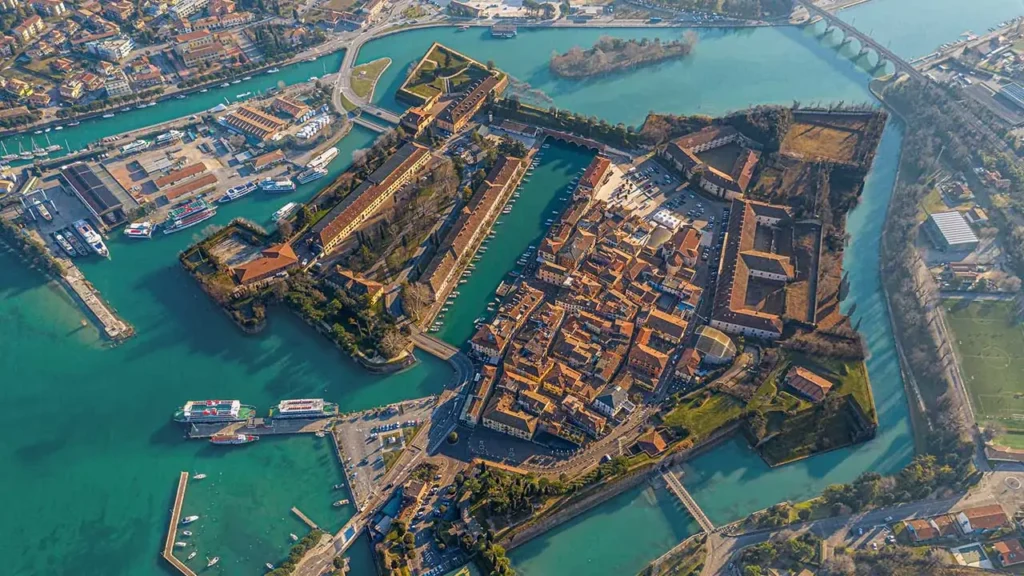
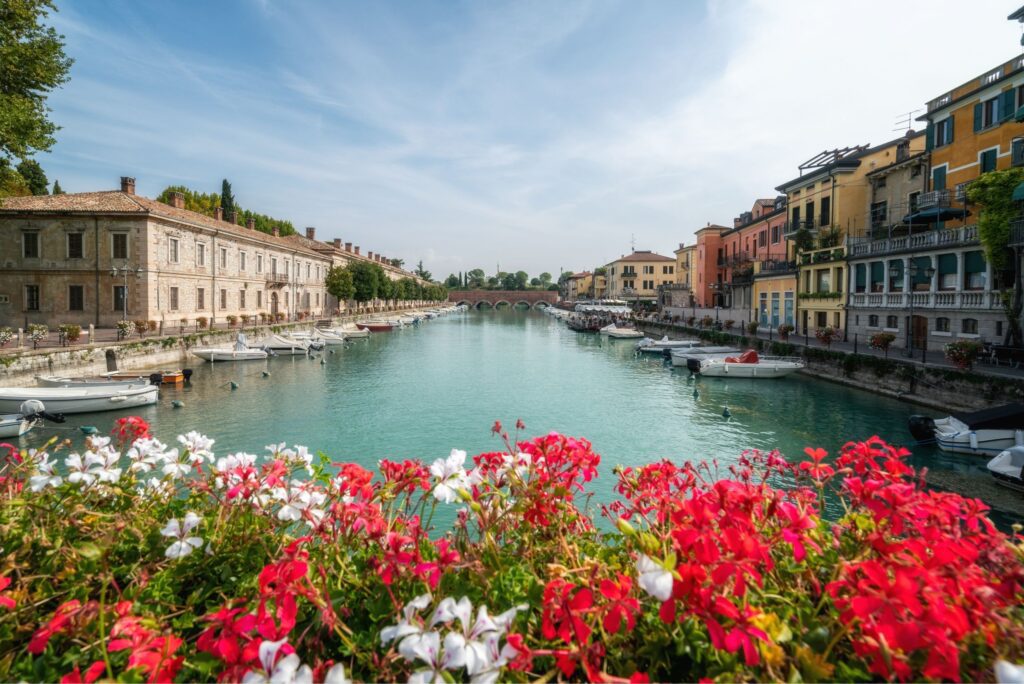
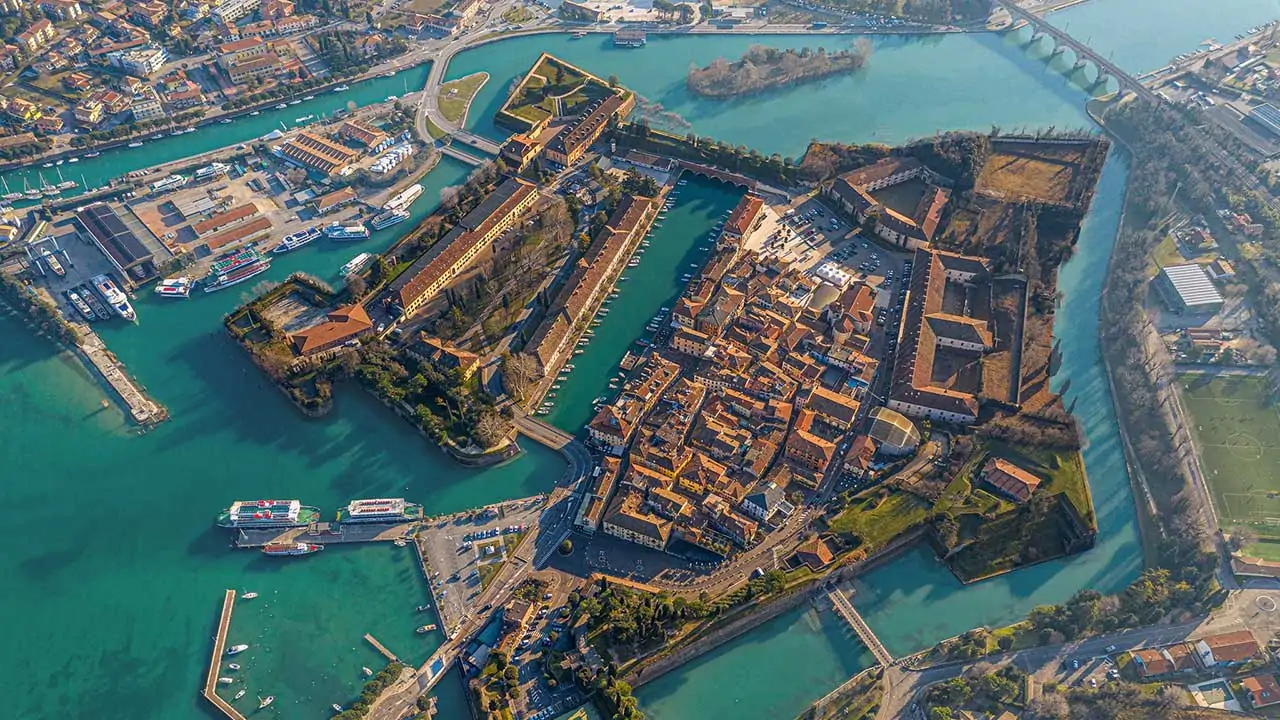
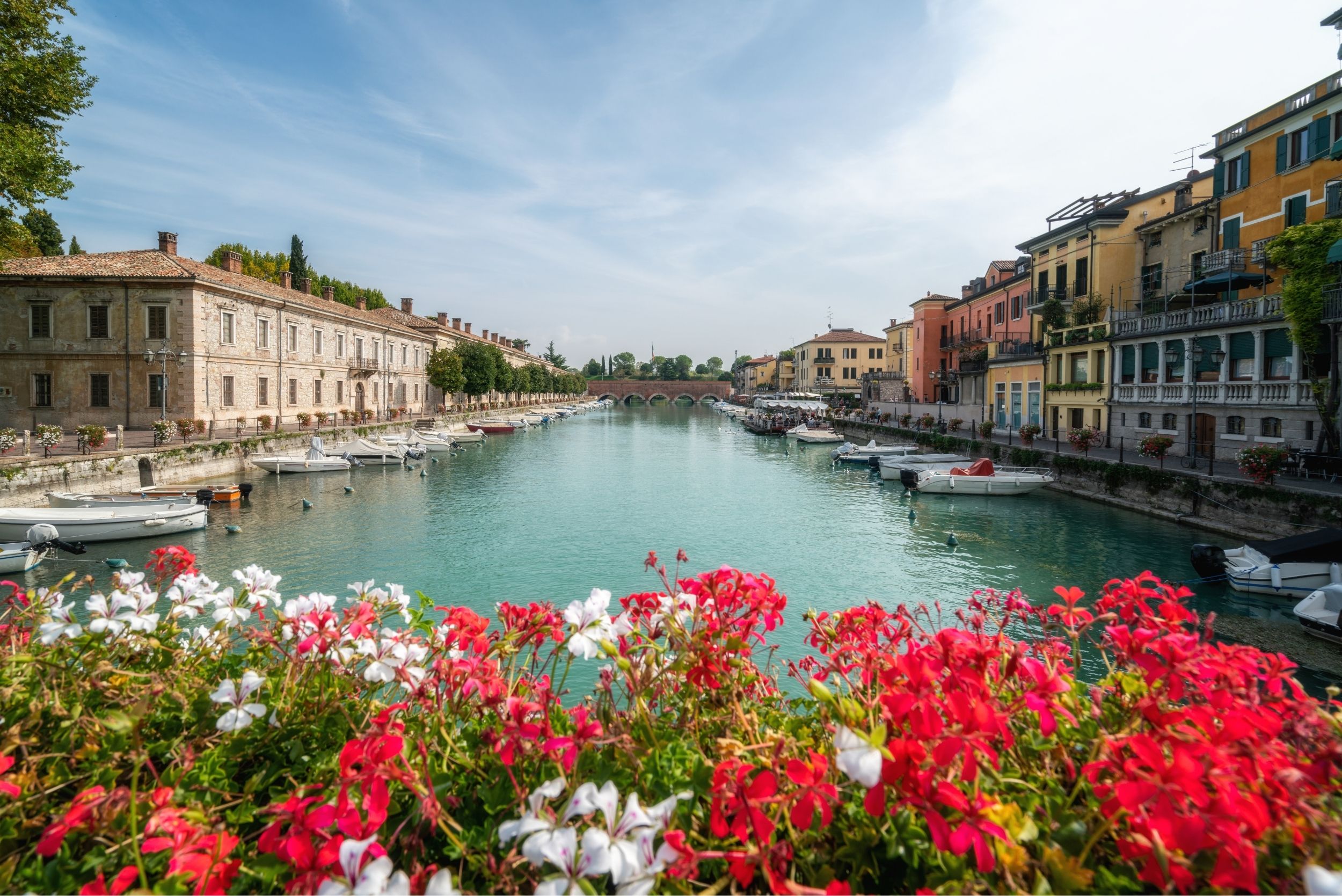
The best way to start the day is Peschiera del Garda, easily reachable from Verona by train or bus, and one of the most charming places on the lower lake. Entering the historic center, surrounded by canals and Venetian fortifications, instantly gives the feeling of stepping into a suspended space: bridges over the water, ramparts, boats gliding slowly, and reflections changing color depending on the time of day.
It is not hard to understand why this stretch of the lake has fascinated travelers and writers for centuries. Goethe, during his Italian Journey, described Garda as a place where the landscape seemed to open up “with unexpected magnificence,” suspended between the Mediterranean and the mountains. Even a short visit is enough to feel the ancient relationship between architecture and landscape. The time-worn stones, olive trees, and water surrounding the promontory offer the sense of a place in continuous dialogue with the lake for nearly two thousand years.
Leaving Peschiera del Garda, the journey can continue towards Lazise, where medieval walls run alongside the lakefront and daily life still flows at a surprisingly slow pace. Boats gently sway near the harbor, and the alleyways retain that atmosphere of passage that has always belonged to lakeside villages. A little further north, Bardolino offers a different kind of pause: less monumental, more spontaneous.
Here, Lake Garda reveals itself in its simplest dimension—made of waterside strolls, outdoor café tables, and small harbors where the lake seems to flow directly into village life. It is the kind of place where you stop “just for half an hour” and end up staying much longer than planned. Before continuing north, it is worth slowing down once more at Punta San Vigilio.
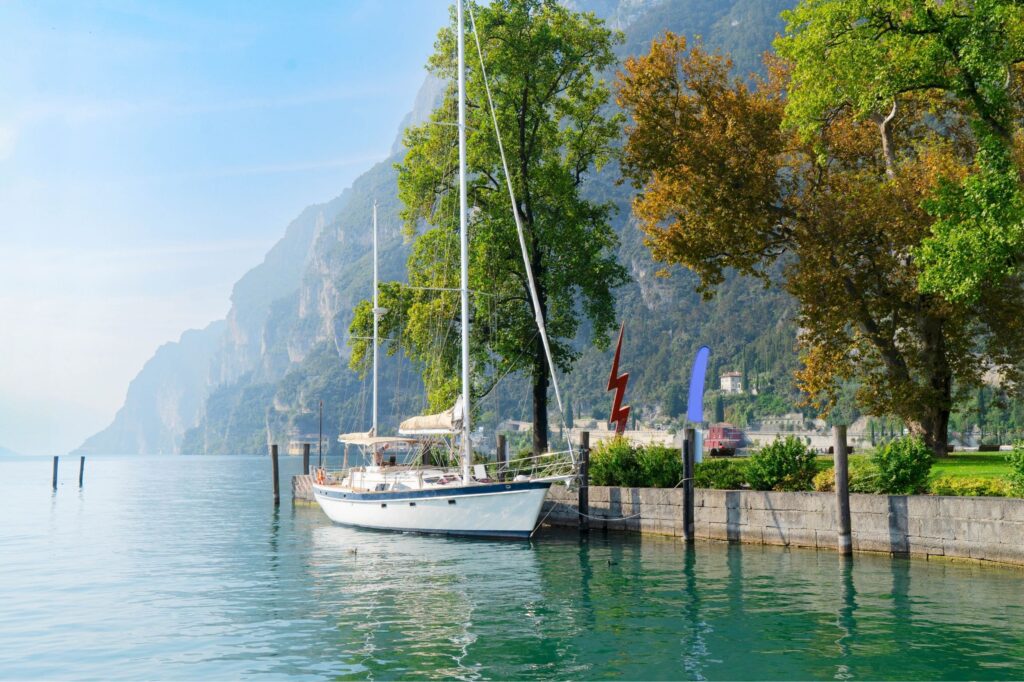
There is something almost literary about this small promontory: cypress trees, pale stone, calm water. A place that demands nothing, and for that very reason stays imprinted on your memory. It is no coincidence that over the centuries, it was chosen as a temporary retreat by artists, writers, and travelers in search of quiet.
Afternoon towards northern Garda, where the landscape changes face
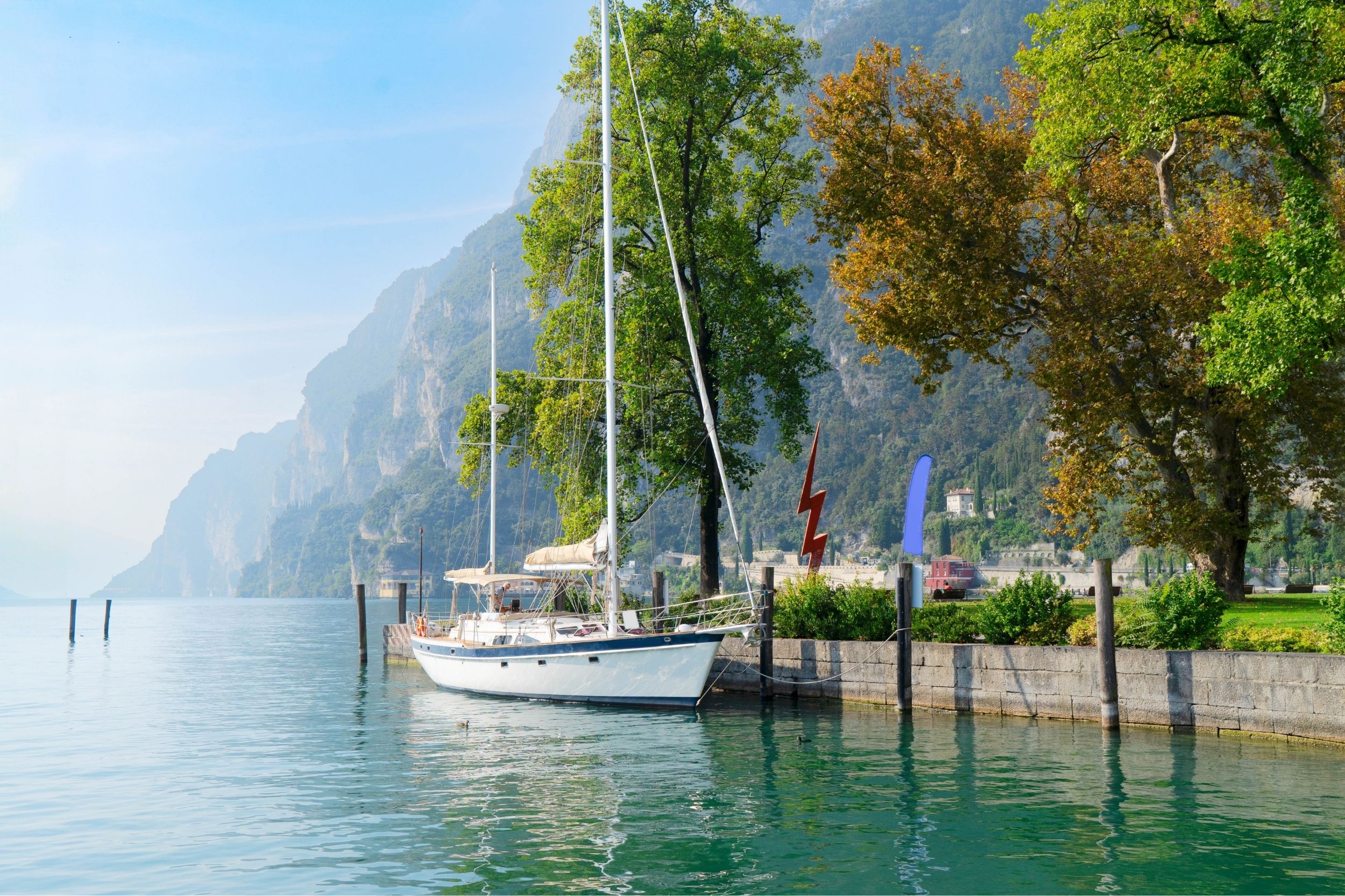
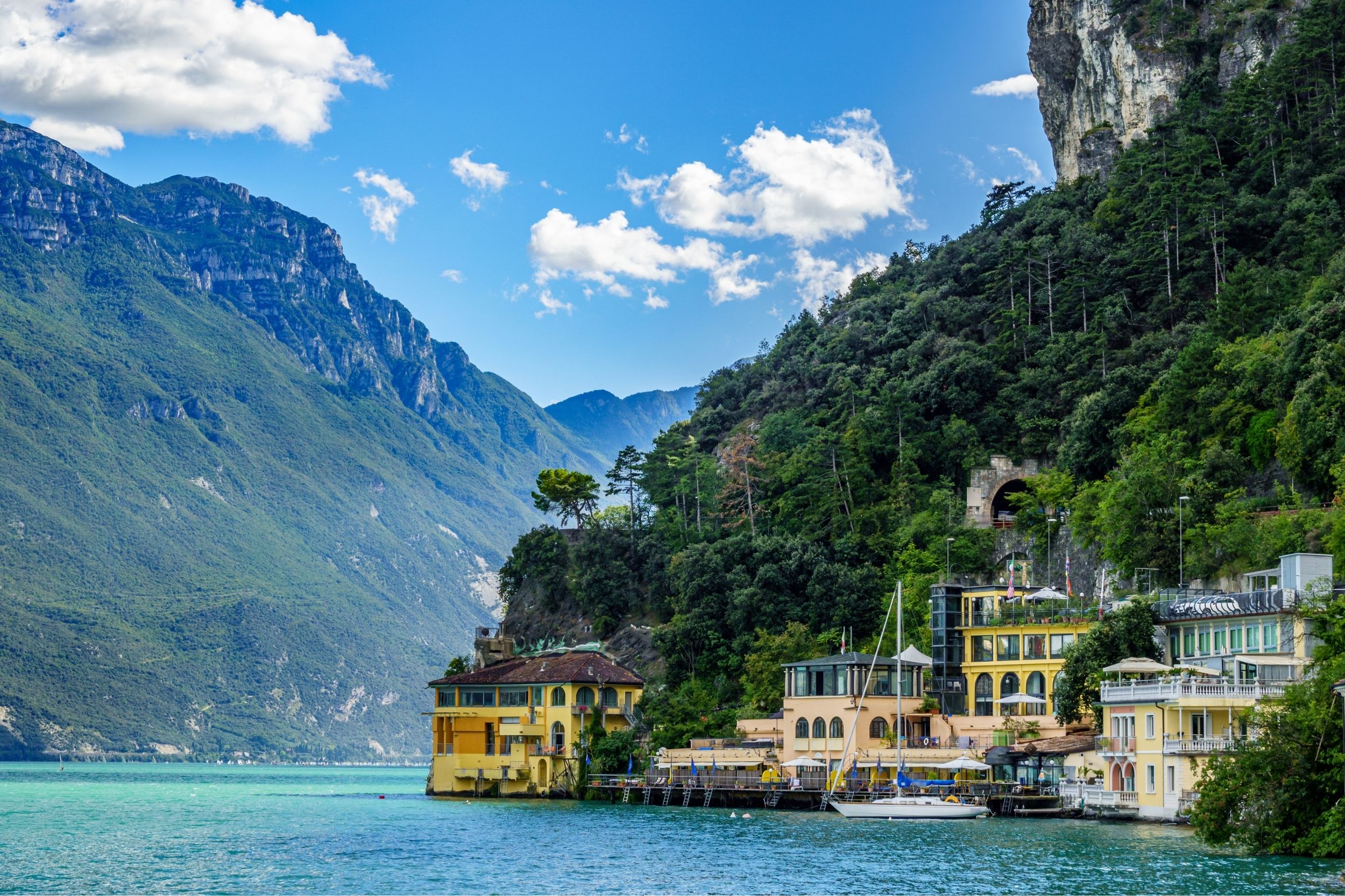
In the afternoon, the itinerary gradually changes character. The shores narrow, the mountains draw closer, and the lake takes on a more vertical, almost alpine appearance.
Torri del Benaco is one of the best stops to experience this transition. The small, sheltered harbor and the Scaliger Castle tell the story of the historical bond between the lake and the ancient trade routes that crossed these waters. For centuries, Garda was not just a place for travel and holidays, but a vital communication route between Northern Europe and the Po Valley.
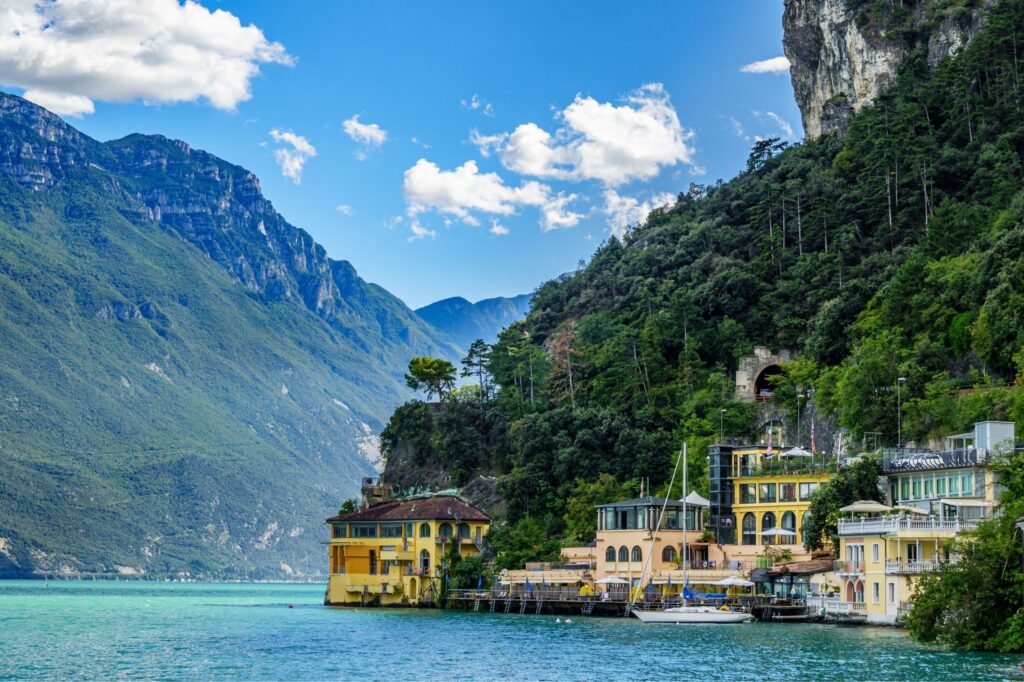
Continuing along the Gardesana road, you reach Brenzone sul Garda, a scattered municipality made up of small hamlets directly overlooking the lake. Here, Garda appears quieter, almost secluded. The houses seem born from the rock, and the water becomes a constant, daily presence. In some points, the road runs so close to the shore that the lake seems to accompany your every movement.
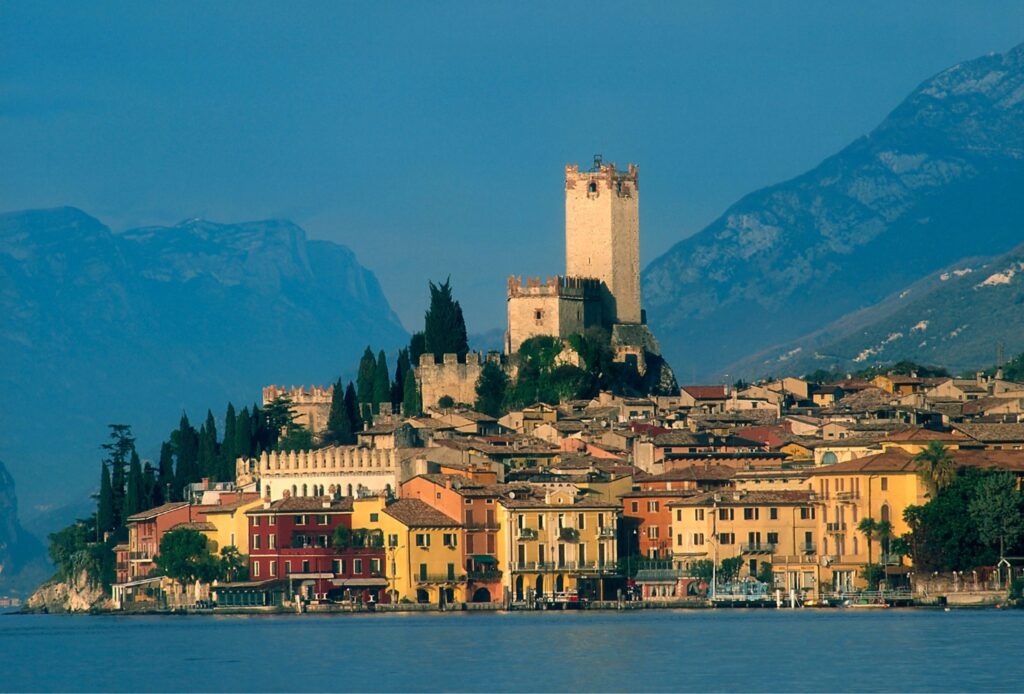
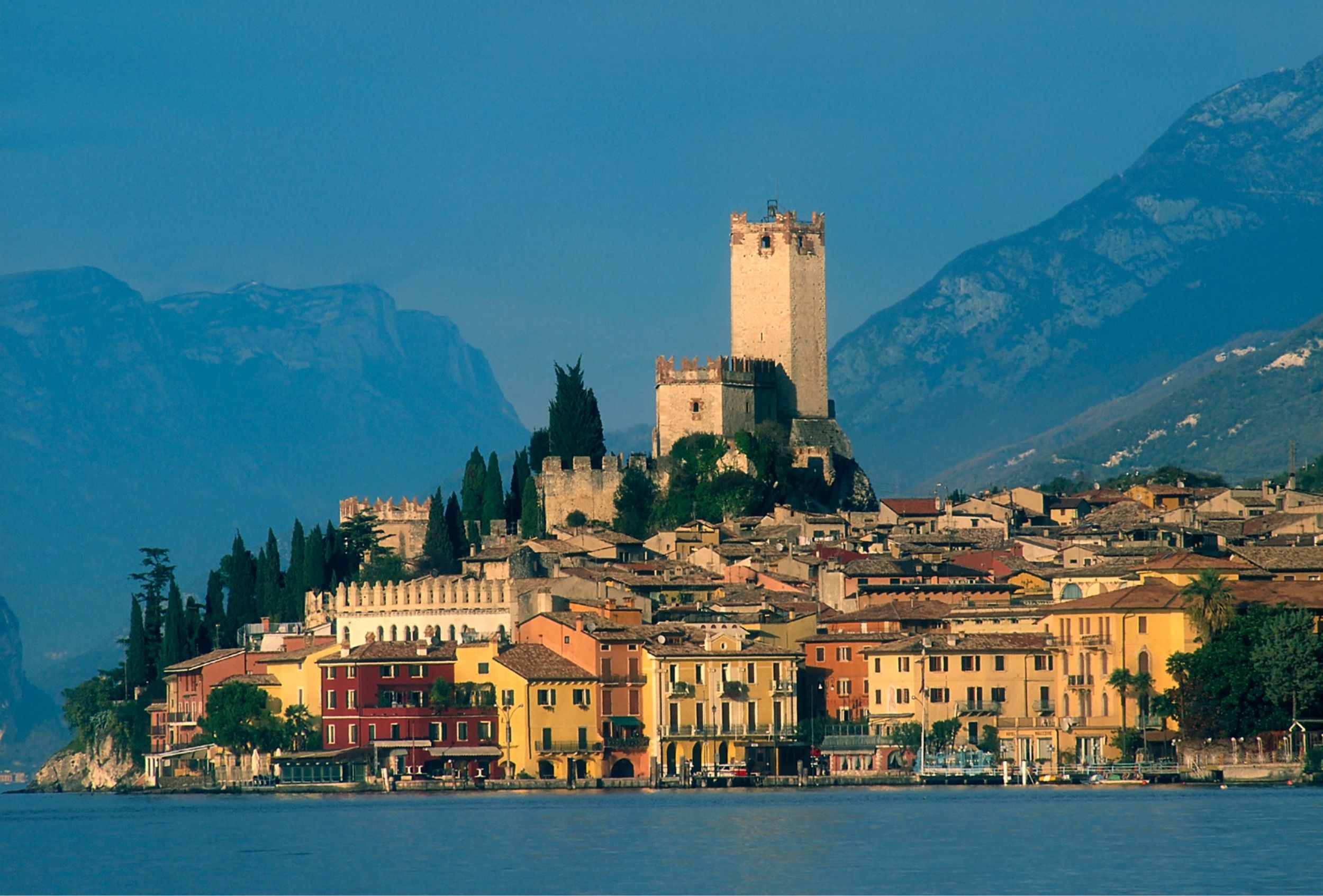
However, the day reaches its most spectacular moment in Malcesine. The Scaliger Castle of Malcesine dominates the village from above, while the peaks of Monte Baldo frame the horizon with a sharp, dramatic profile. Goethe passed through here during his journey, too, and recounted being mistaken for an Austrian spy while attempting to sketch the castle overlooking the lake.
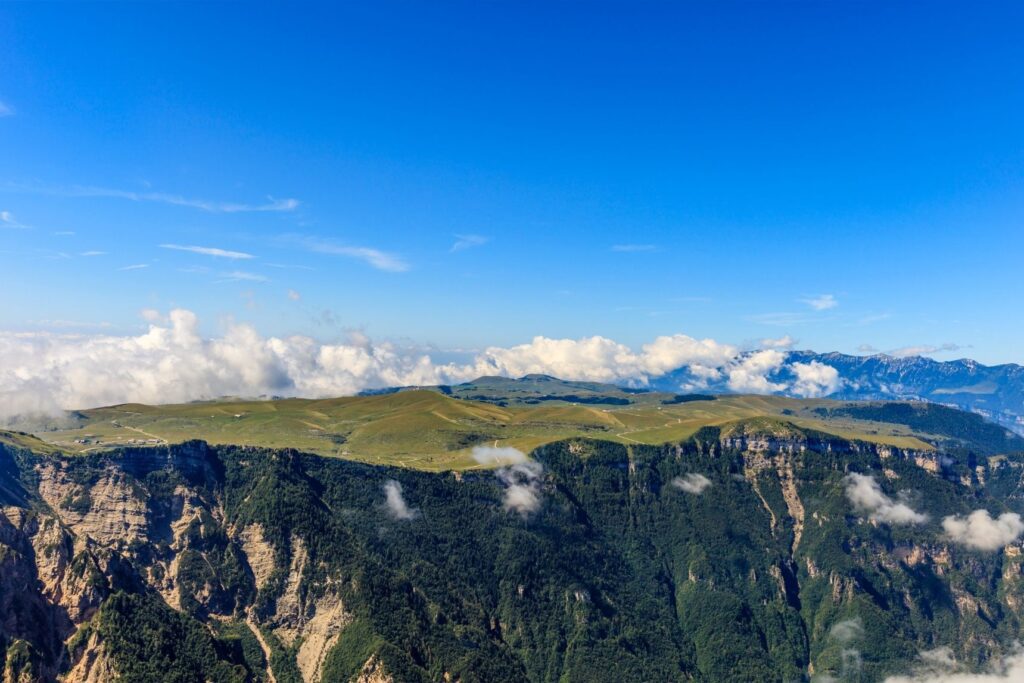
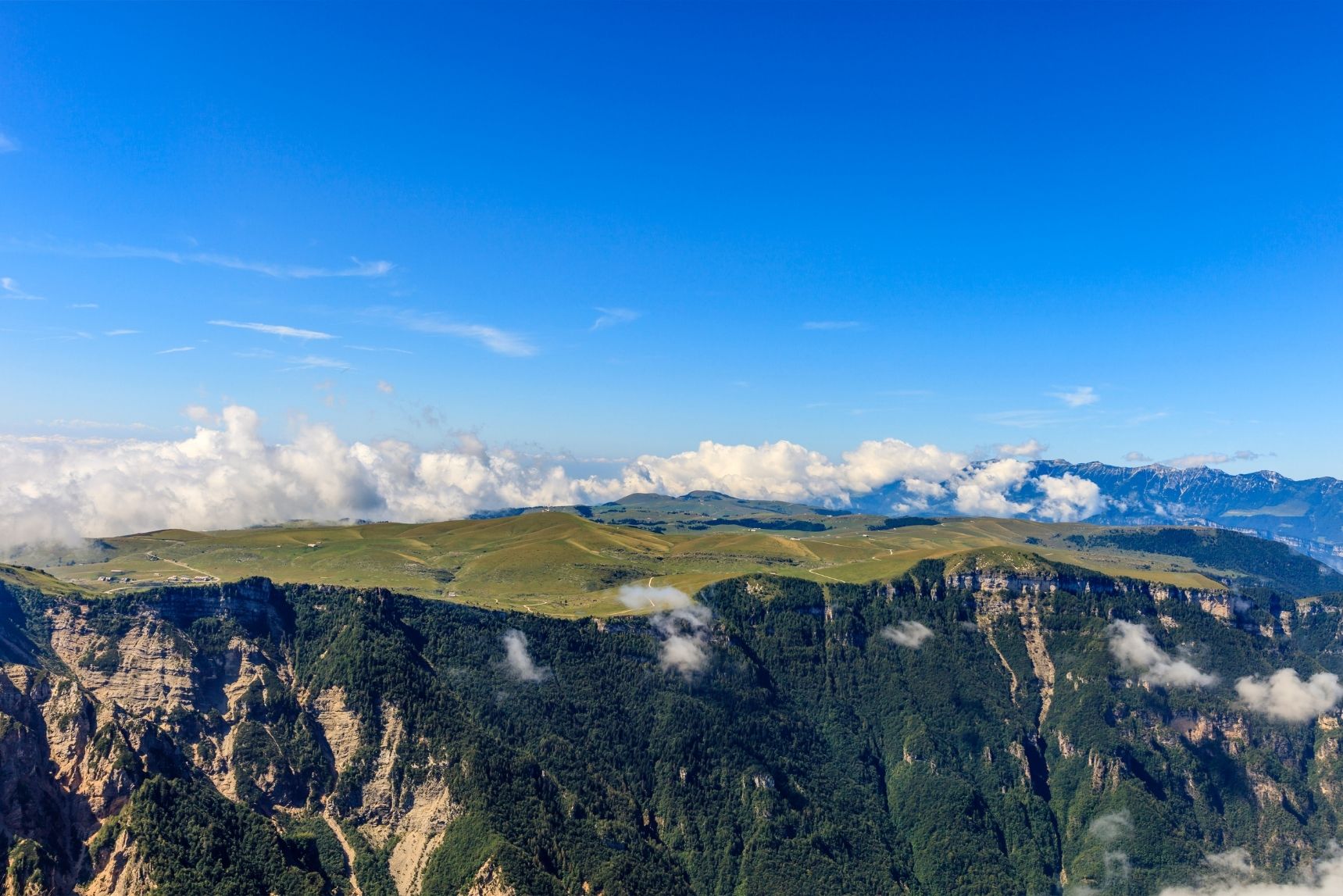
From here, you can ride the Malcesine-Monte Baldo Cable Car, which takes you from water level to high altitude in just a few minutes. It is probably the most immediate way to truly understand Garda: not as a single landscape, but as a continuous interplay of different environments.
From above, the lake appears almost surreal. The shores turn into thin lines, the villages into tiny bright dots along the water, and you realize just how much this territory can change face within a few kilometers. Olive trees, mountains, wind, and water coexist in a single glance, giving Garda a character difficult to find anywhere else in Italy.
A day on Lake Garda that invites you to return
Understanding what to see on Lake Garda in one day is above all about choosing a rhythm. There is no need to chase every single stop or pack the day with continuous visits. Garda works best when it alternates movement and contemplation, roads and silence, sudden vistas and slow moments.
The Veronese shore allows for exactly this: visiting medieval castles, walking through villages by the water, and ascending high above the lake all in the same day, without losing the sense of journey continuity. It is an intense, inevitably incomplete taste but precisely for this reason, one that leaves you with a lingering desire to return.
Lake Garda is one of those places that deserves to be observed slowly. If you want to continue discovering the region between Verona, Garda, and its lesser-known landscapes, follow Step by Story on Instagram or explore our other published stories on the website.